

Gartensiedlung Gronauer Wald
Bergisch Gladbach, Germany
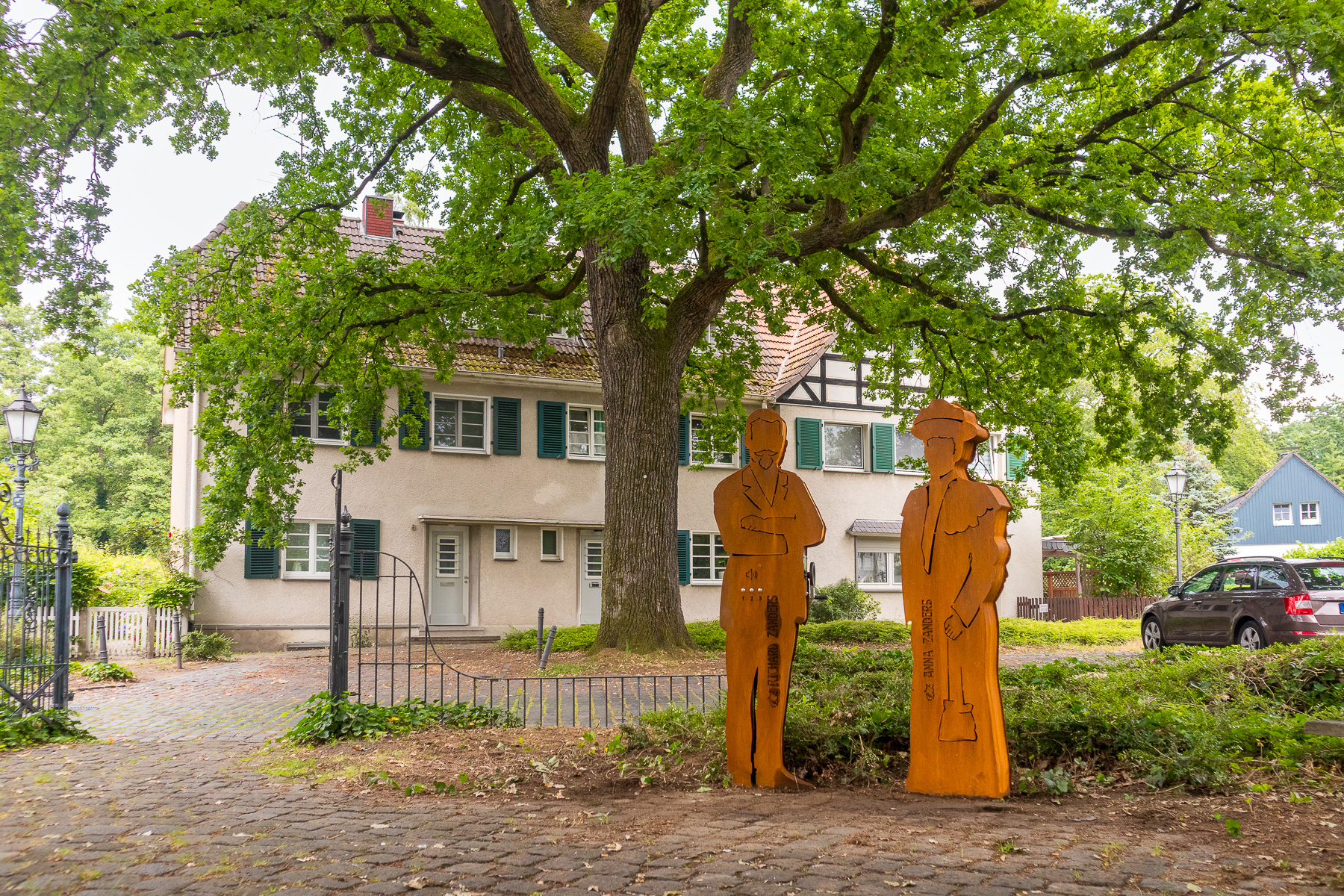
The „Gartensiedlung Gronauer Wald“ garden city settlement originated with Richard Zanders, a
paper manufacturer from Bergisch Gladbach, and his wife Anna, the youngest daughter of
industrialist Werner von Siemens. Inspired by the English garden city movement, the couple began
building a settlement for their workers and employees near their Gohrsmühle factory in 1898.
| Garden City Type: | Former company town |
| Country: | Germany |
| City: | Bergisch Gladbach |
| Years of construction: |
1898 Start construction
|
| Initiator/client: | Anna and Richard Zanders |
| Architect or related: |
Ludwig Bopp, Jakobus Goettel, Theodor Merrill, Clemens Klotz, and Oskar Lindemann as architects. Albert Brodersen, Fritz Enke and Bernhard Kampffmeyer for urban and landscape planning. |
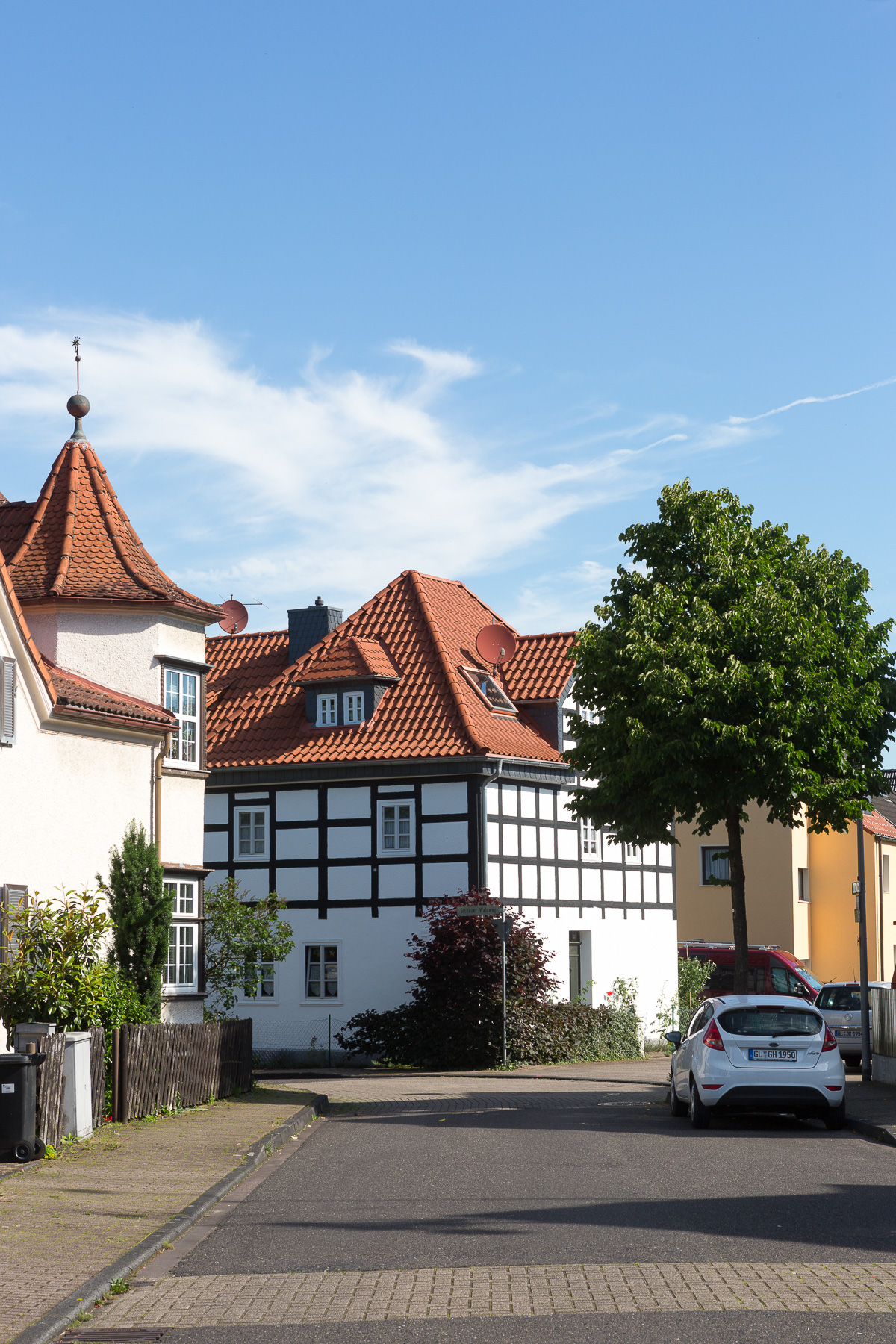
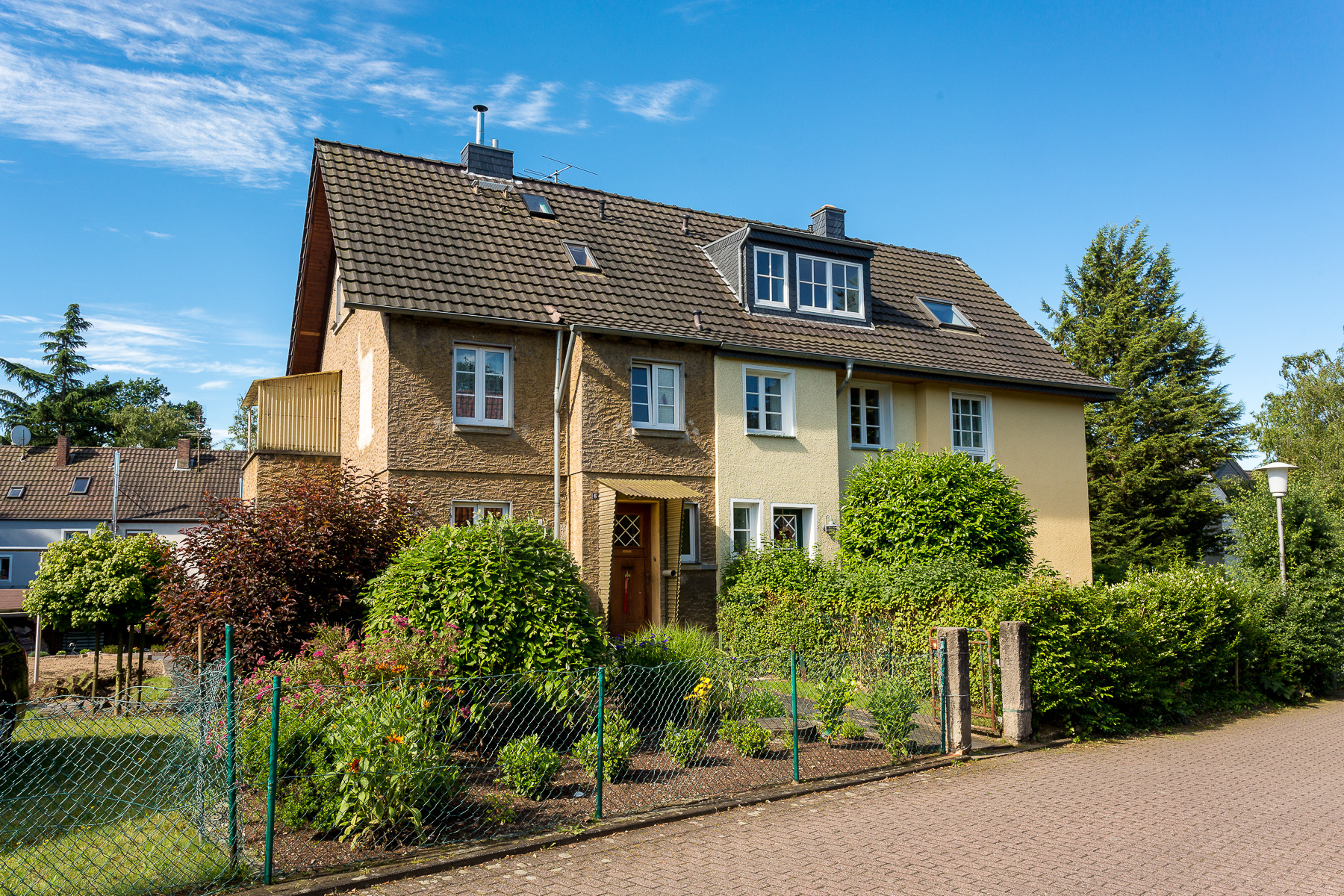
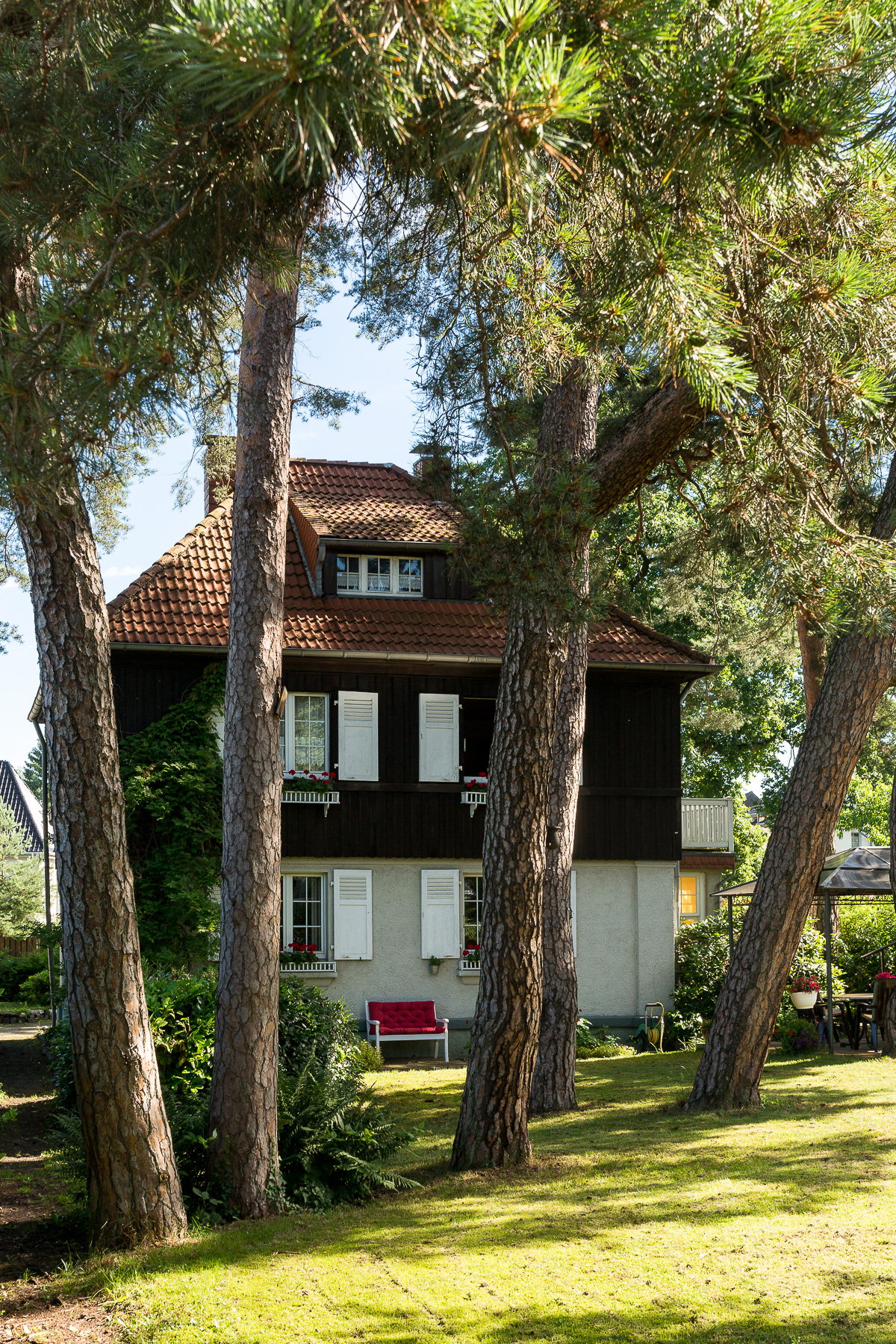
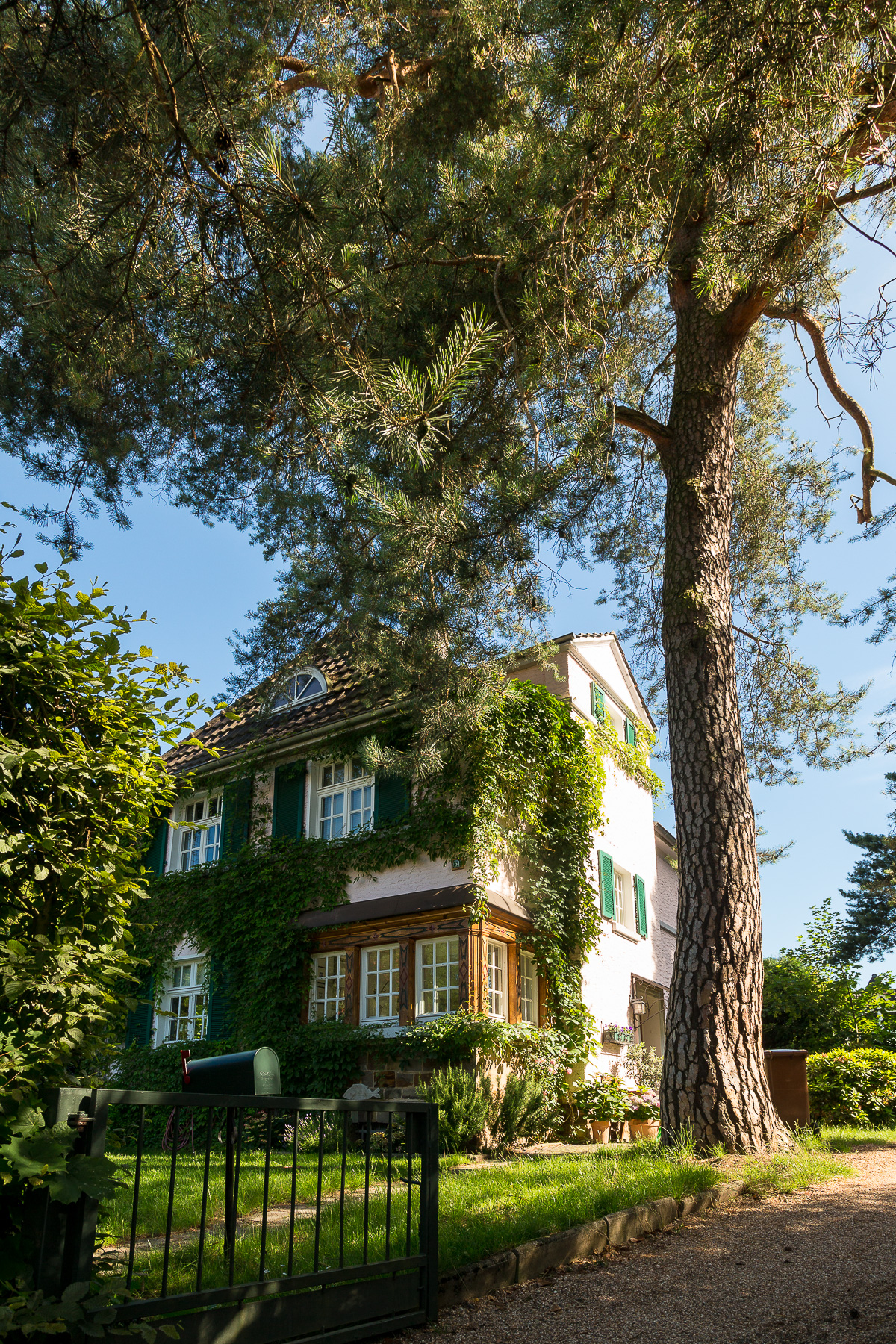

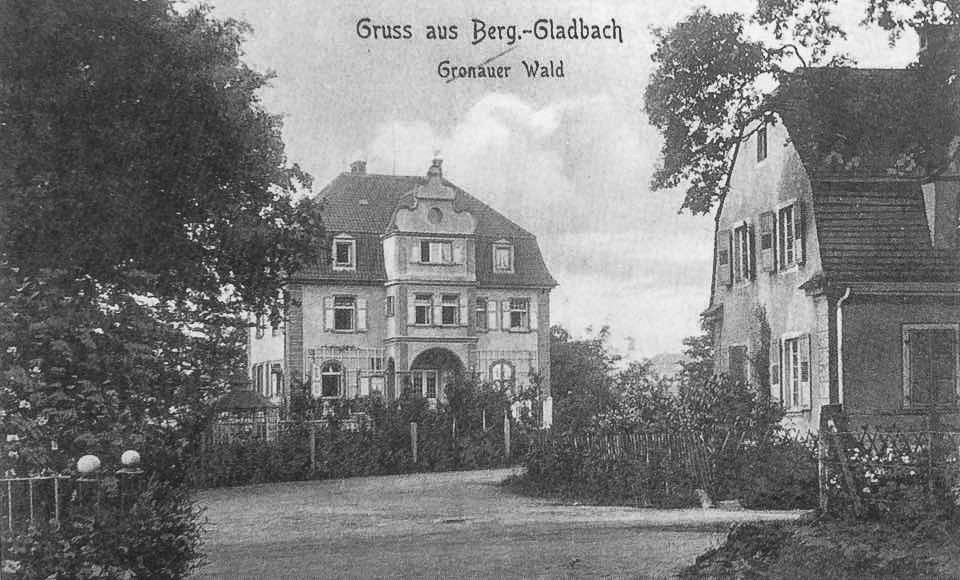
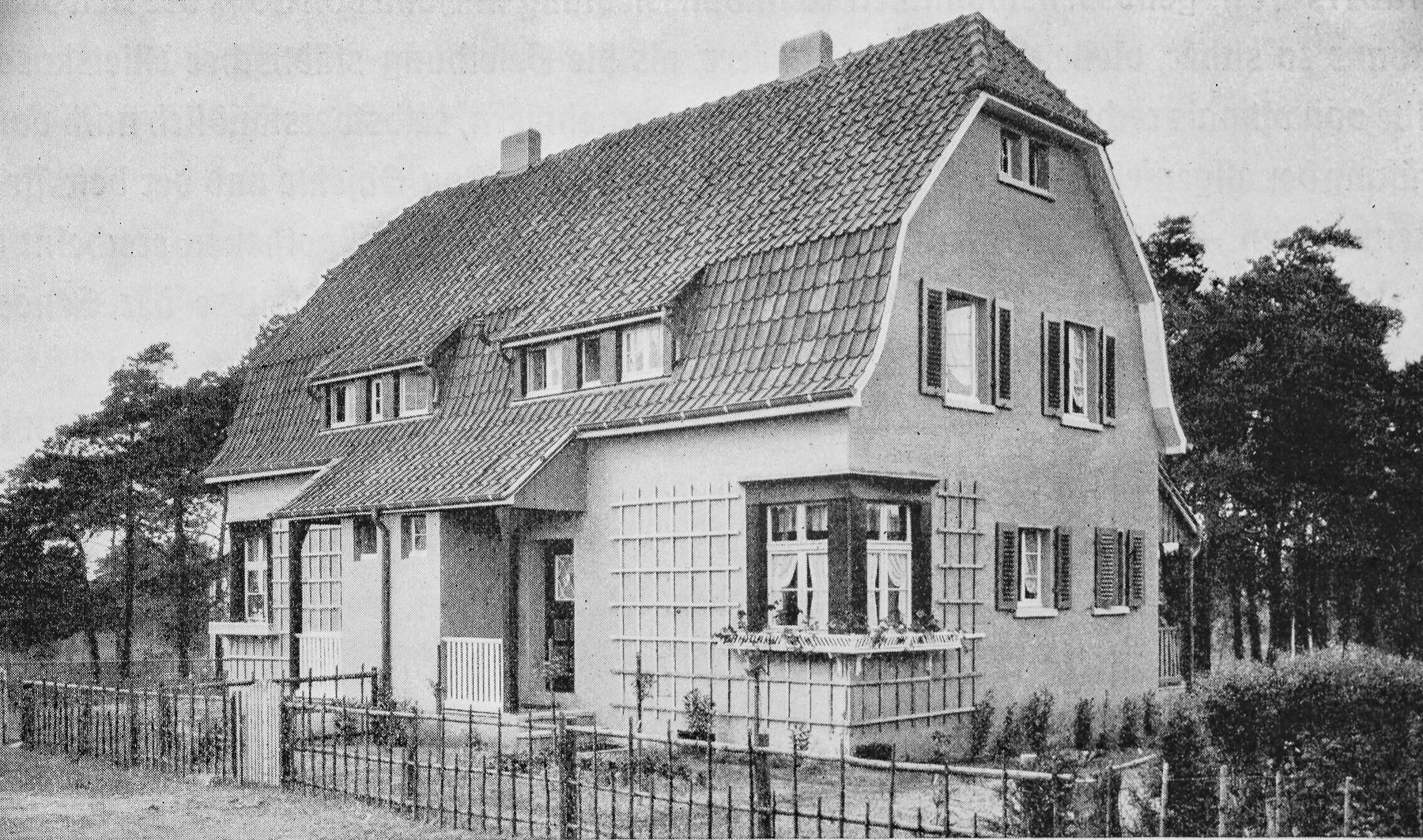
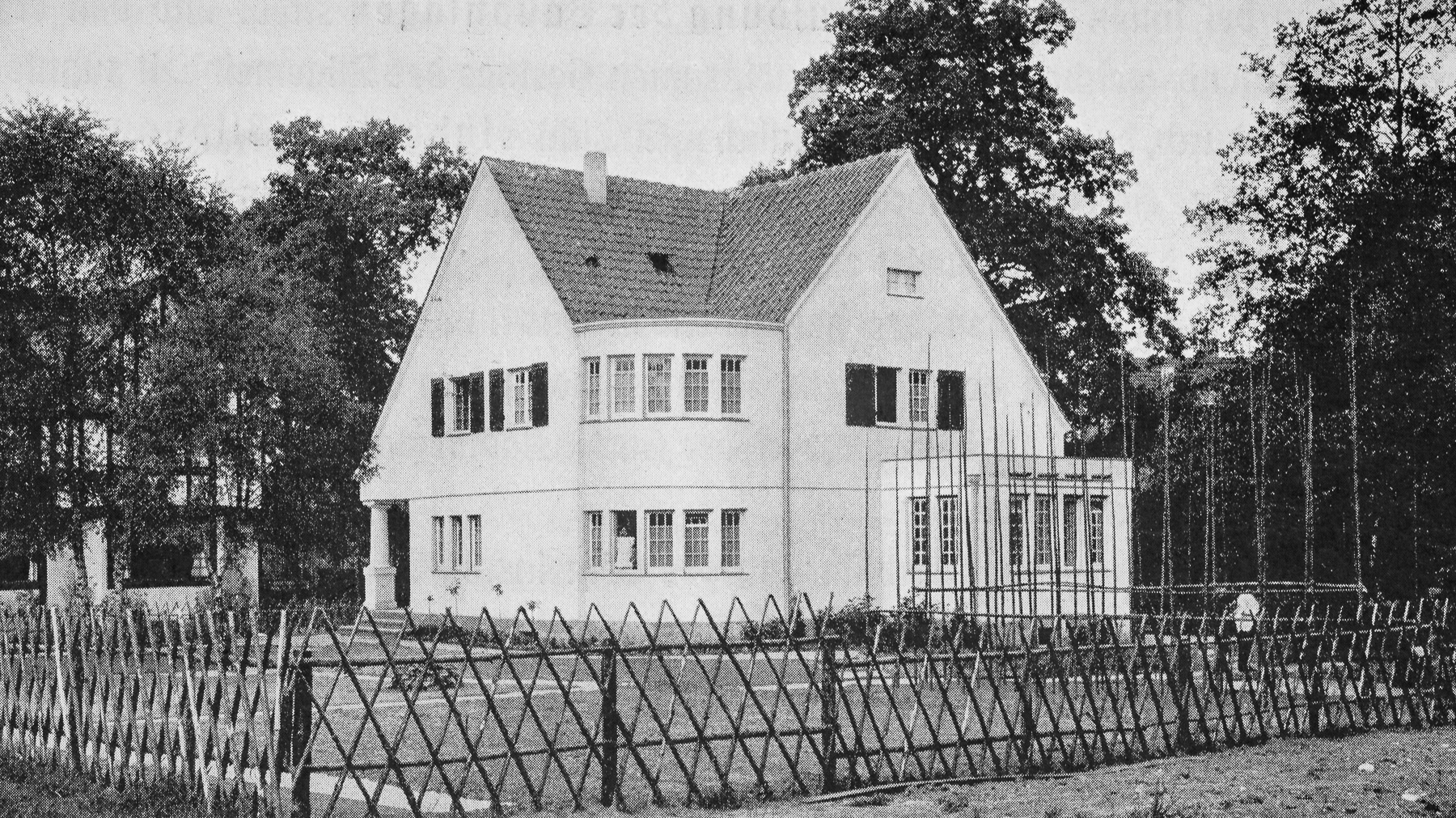
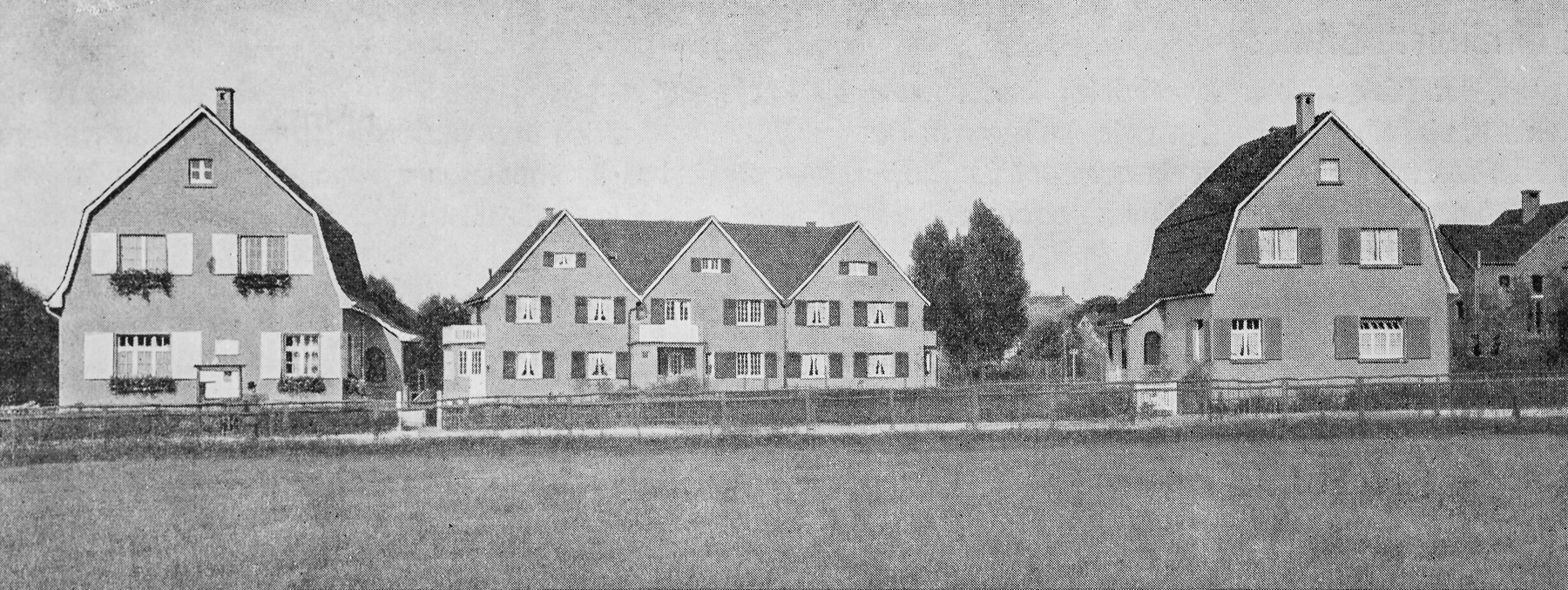
![20190928_unbenannt_0001[M]](/media/showtime/storage/2026/03/06/179/main/20190928_unbenannt_0001-m.jpg?1779963392)
| Heritage status: | Yes |
| Explanation: | Partly protected (part of a street and individual houses) |
| General condition of Garden City: | Good condition |
General description
The „Gartensiedlung Gronauer Wald“ garden city settlement originated with Richard Zanders, a
paper manufacturer from Bergisch Gladbach, and his wife Anna, the youngest daughter of
industrialist Werner von Siemens. Inspired by the English garden city movement, the couple began
building a settlement for their workers and employees near their Gohrsmühle factory in 1898. The
subsidized construction of owner-occupied homes was also intended to retain Zanders employees
at the Gohrsmühle production site. At the same time, the settlement also attracted wealthier
residents, fostering social diversity and avoiding the social isolation typical of large urban workers'
settlements. Initially established as a private foundation, Anna Zanders transferred the assets to
the "Gronauer Wald Non-Profit Garden City Company" (Gemeinnützige
Gartensiedlungsgesellschaft Gronauer Wald m.b.H.) in 1913 after Richard's death, in order to
counteract rising land and house prices due to speculation.
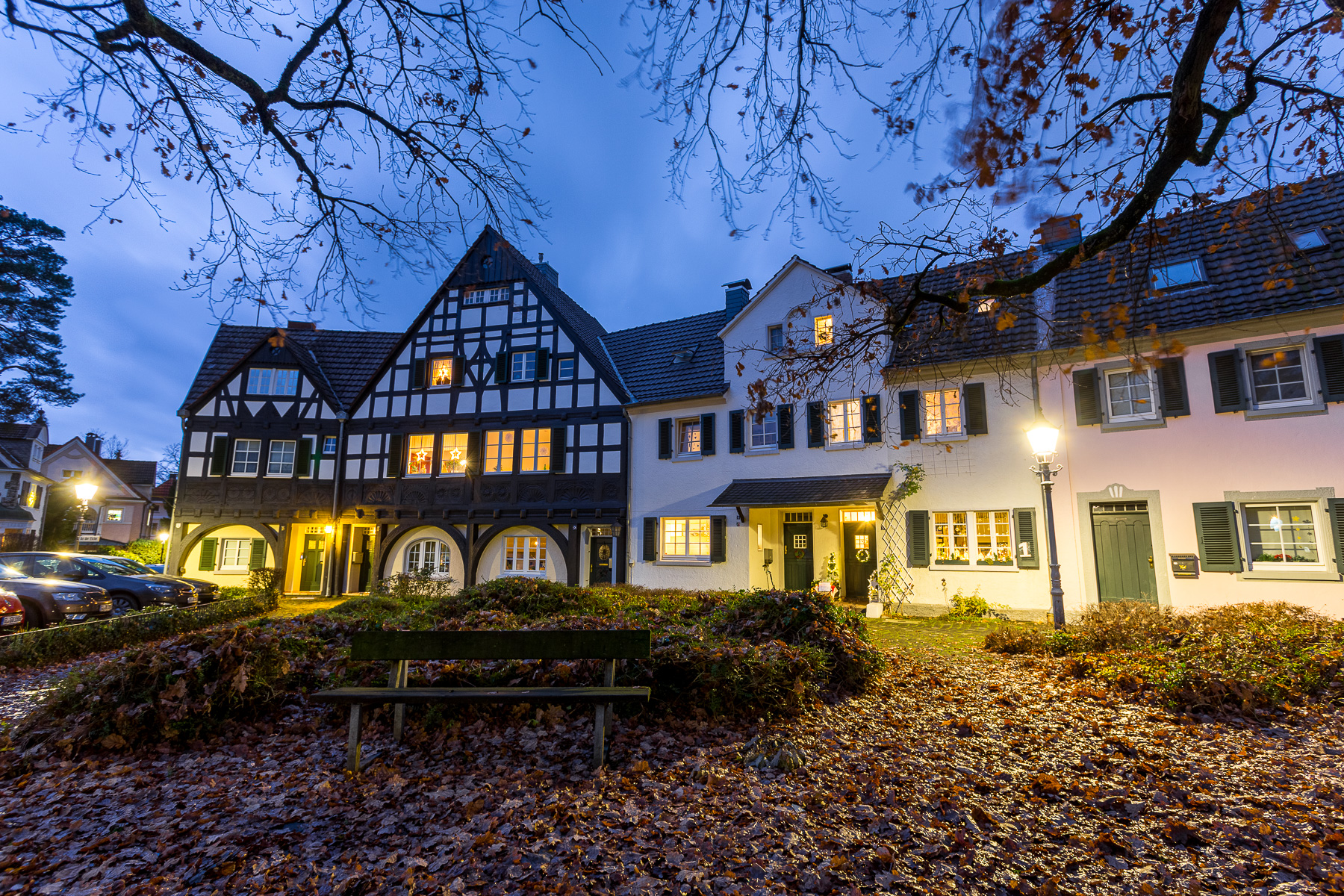
Photo © Till Erdmenger
Architecture / Urban planning
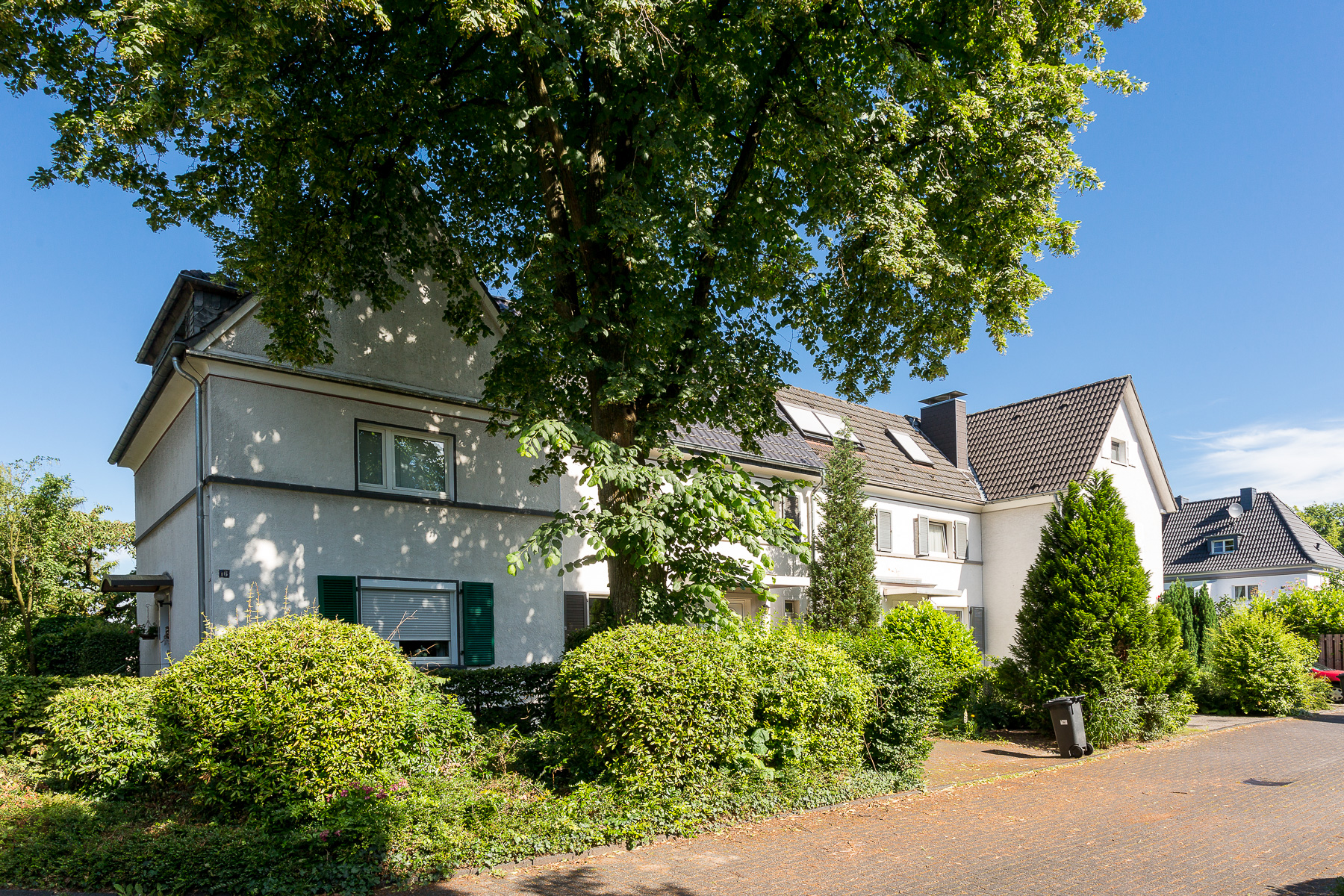
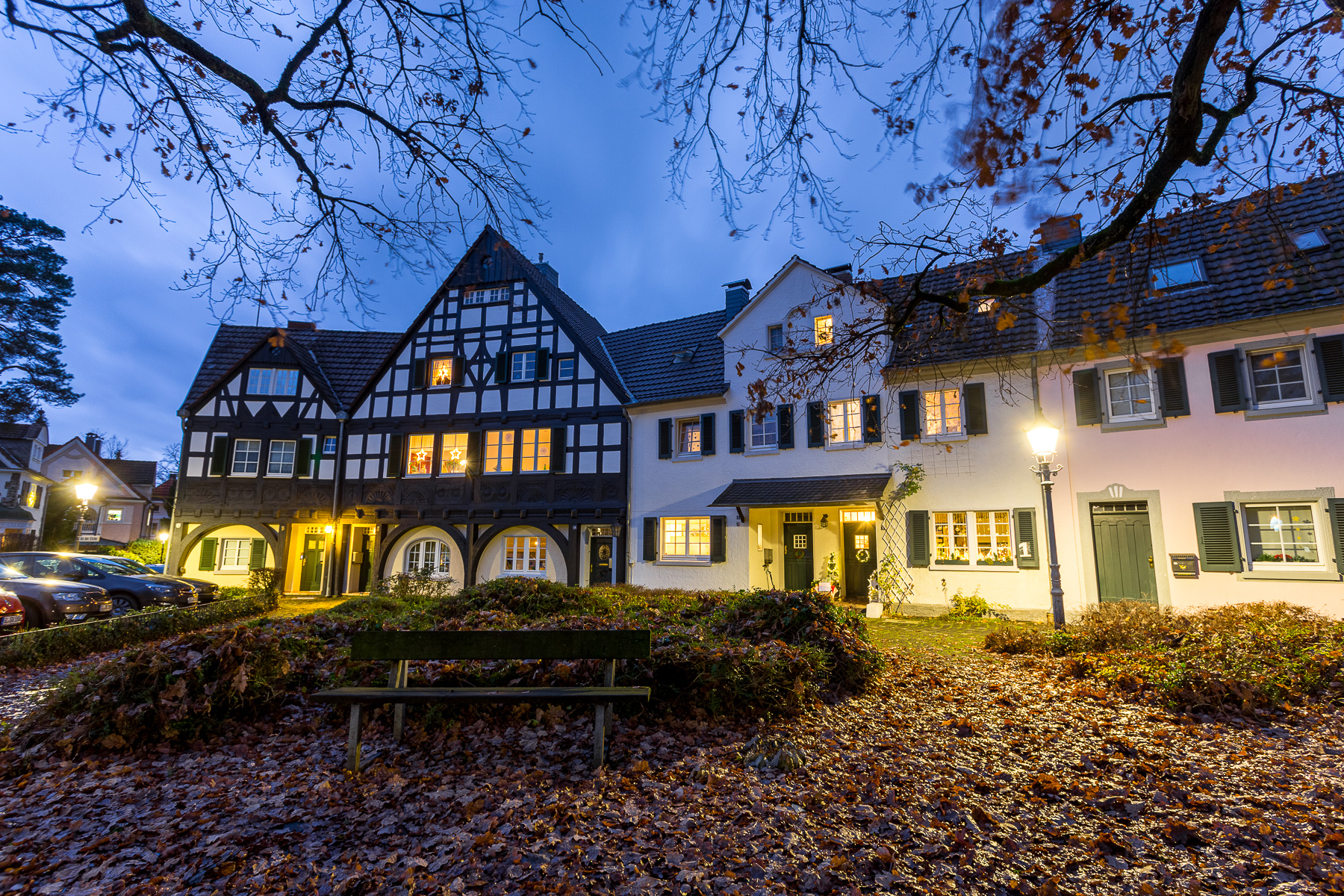
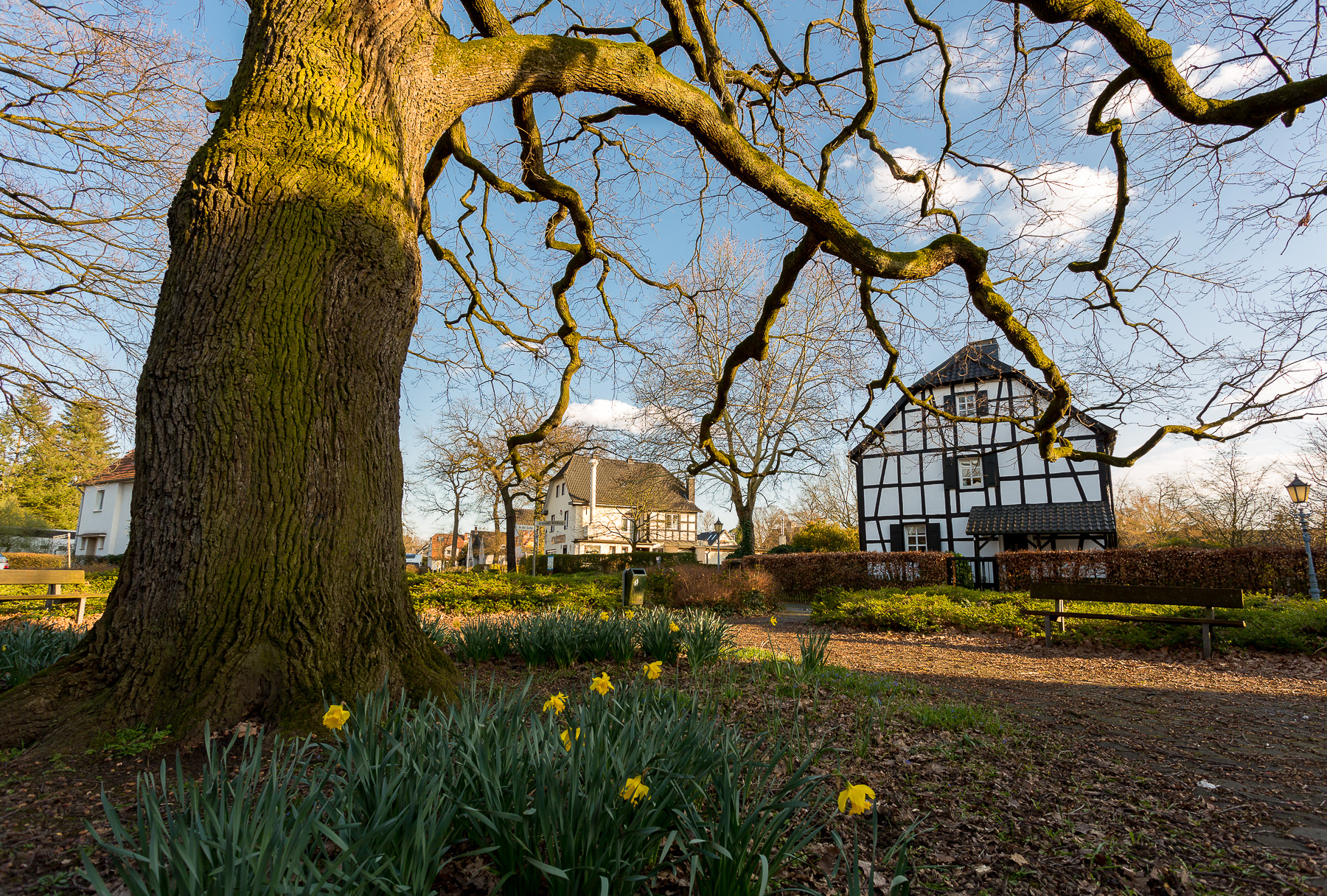
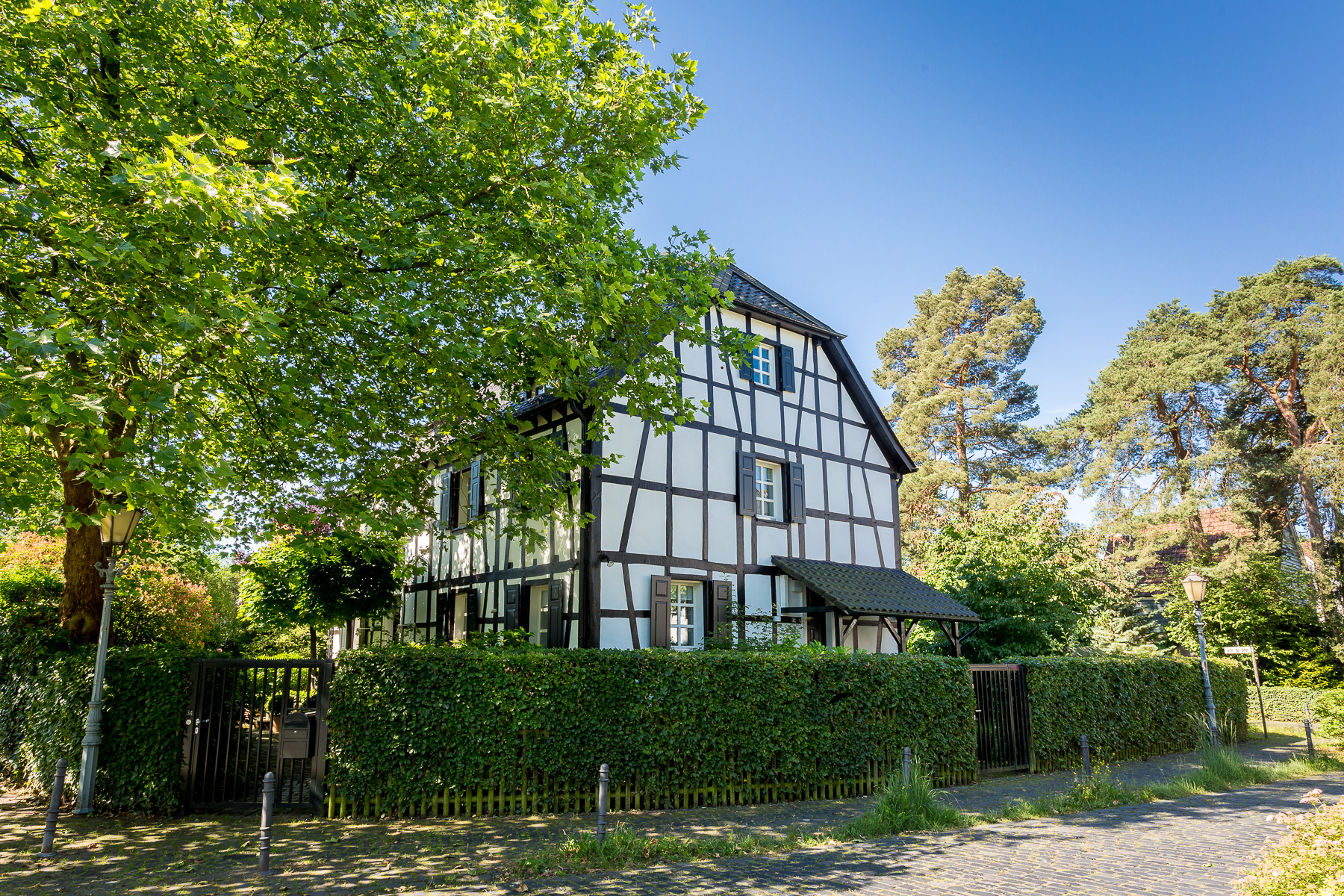
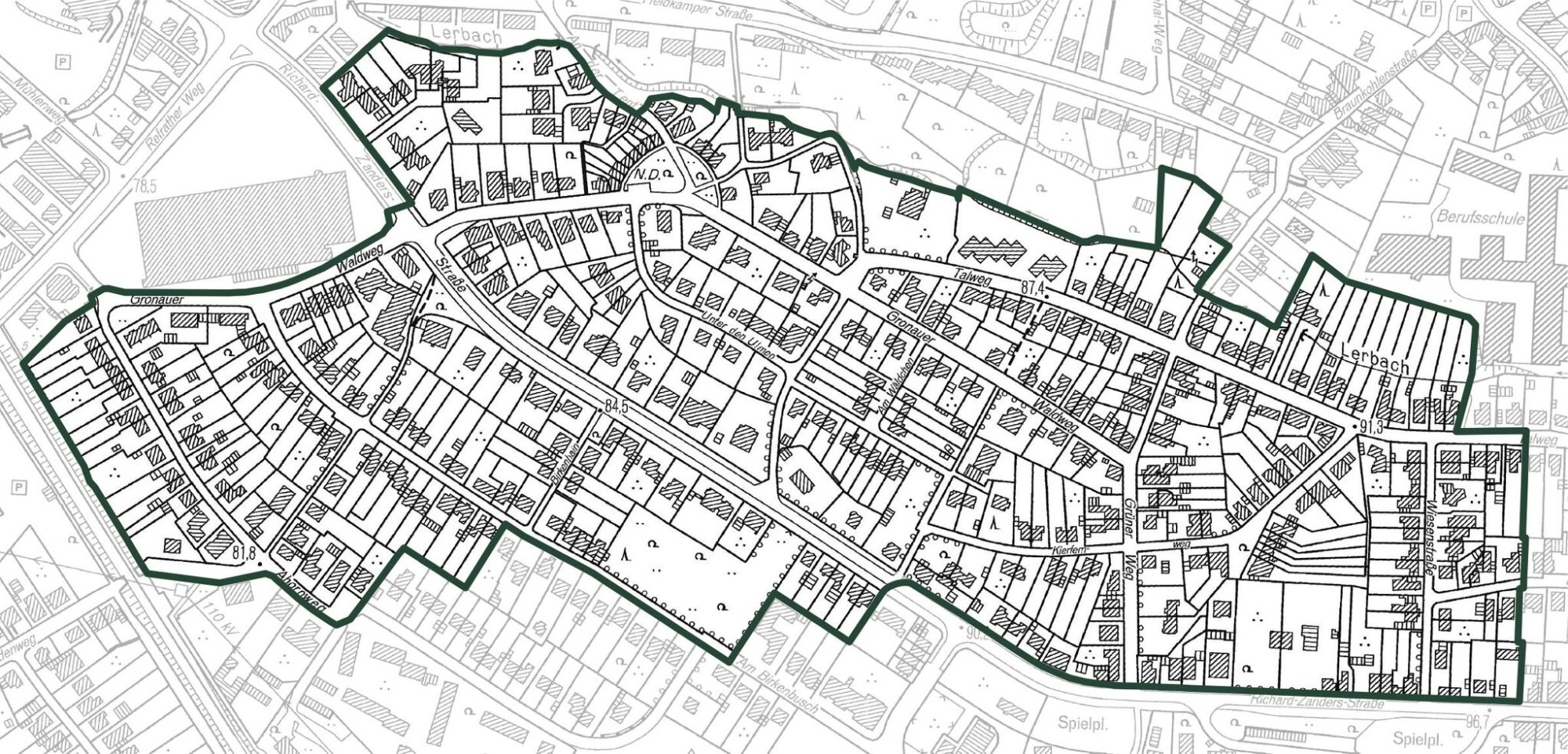
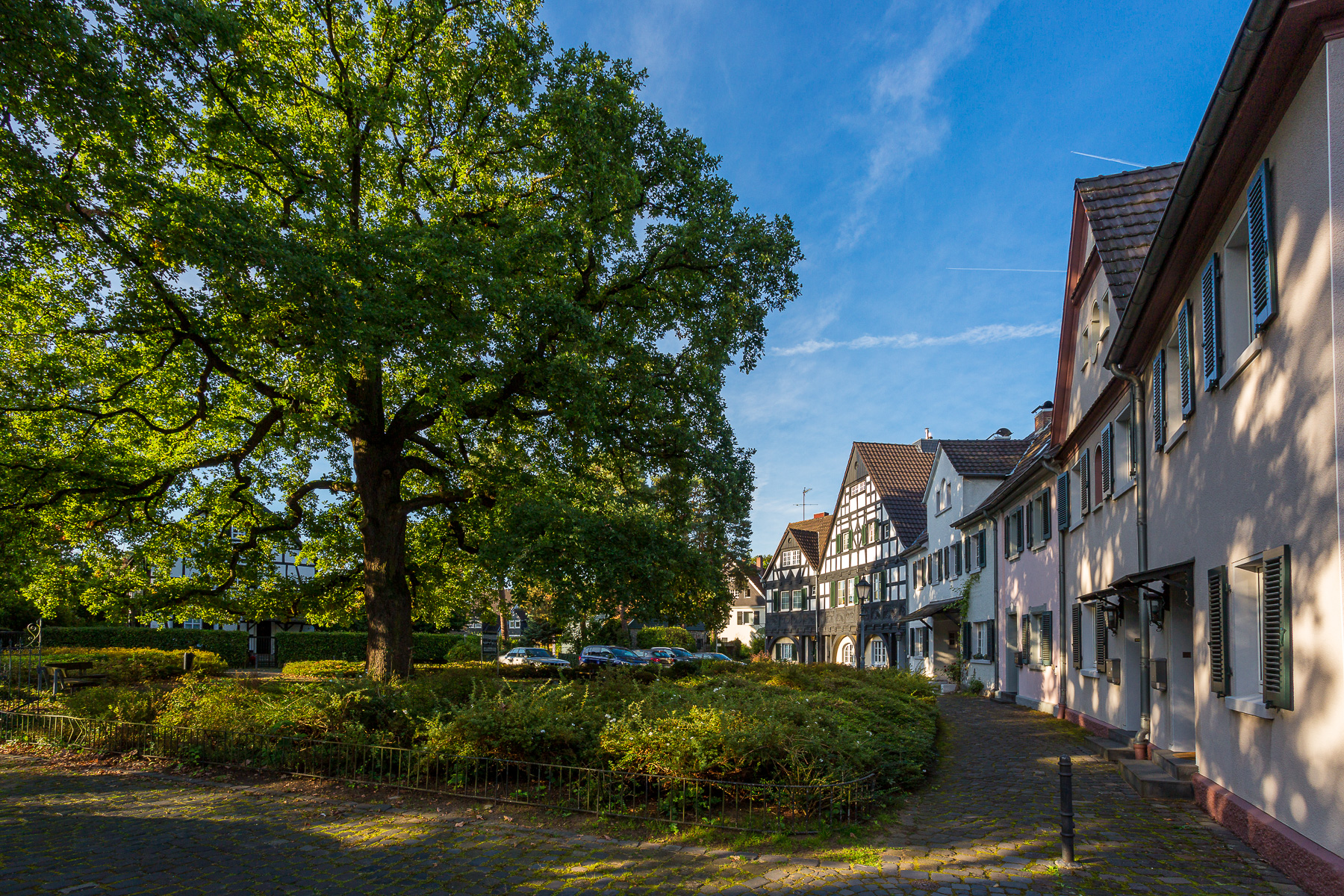
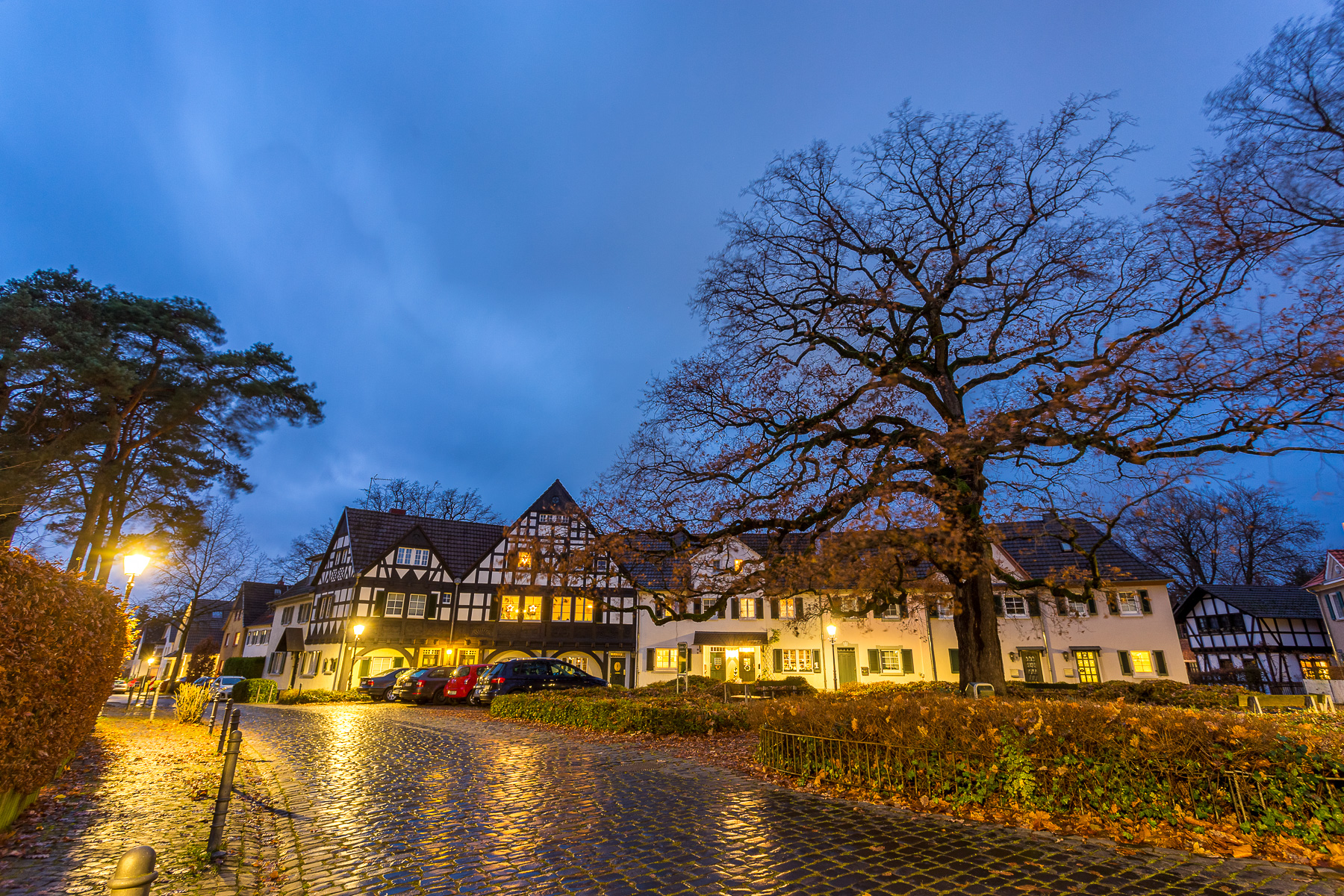
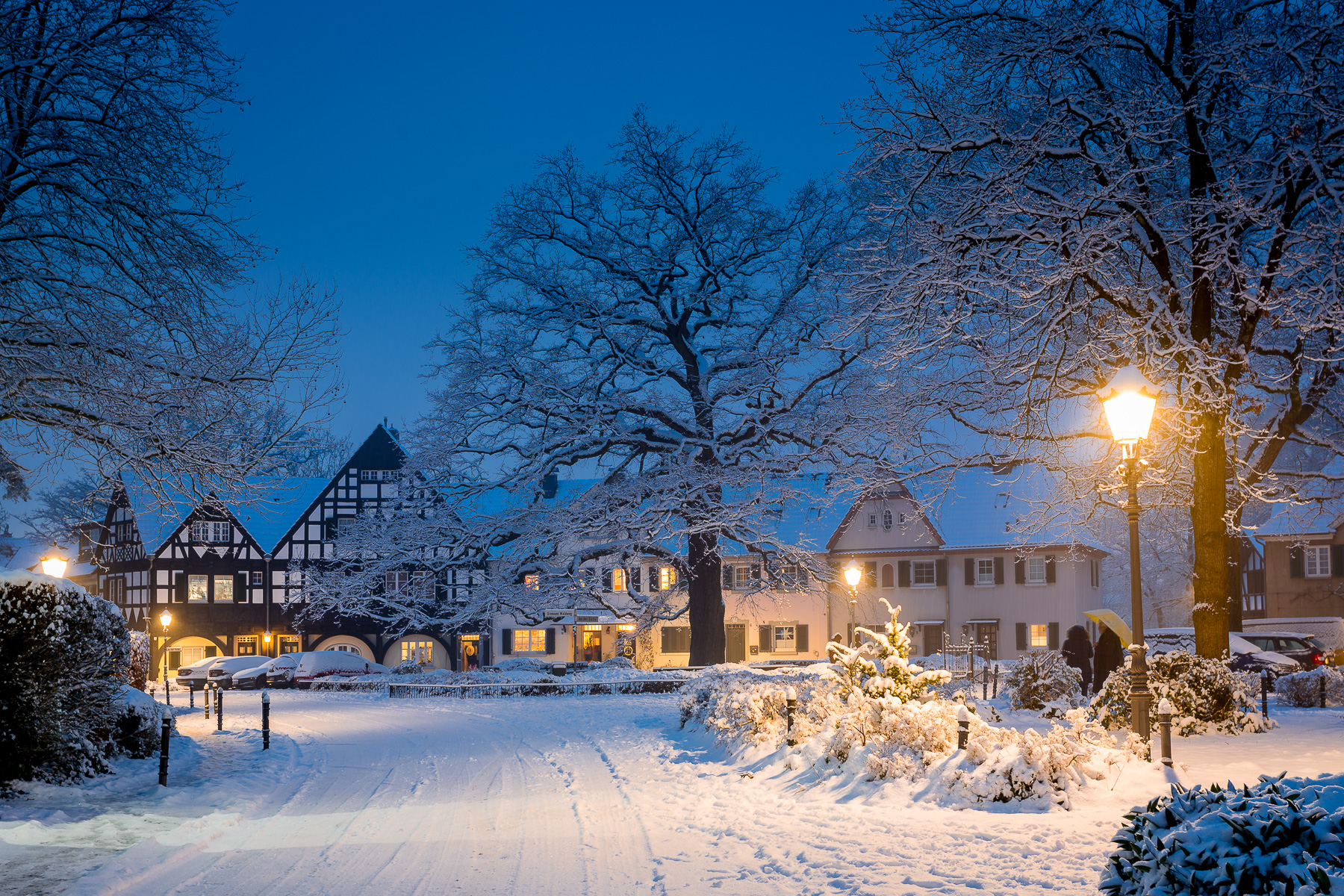
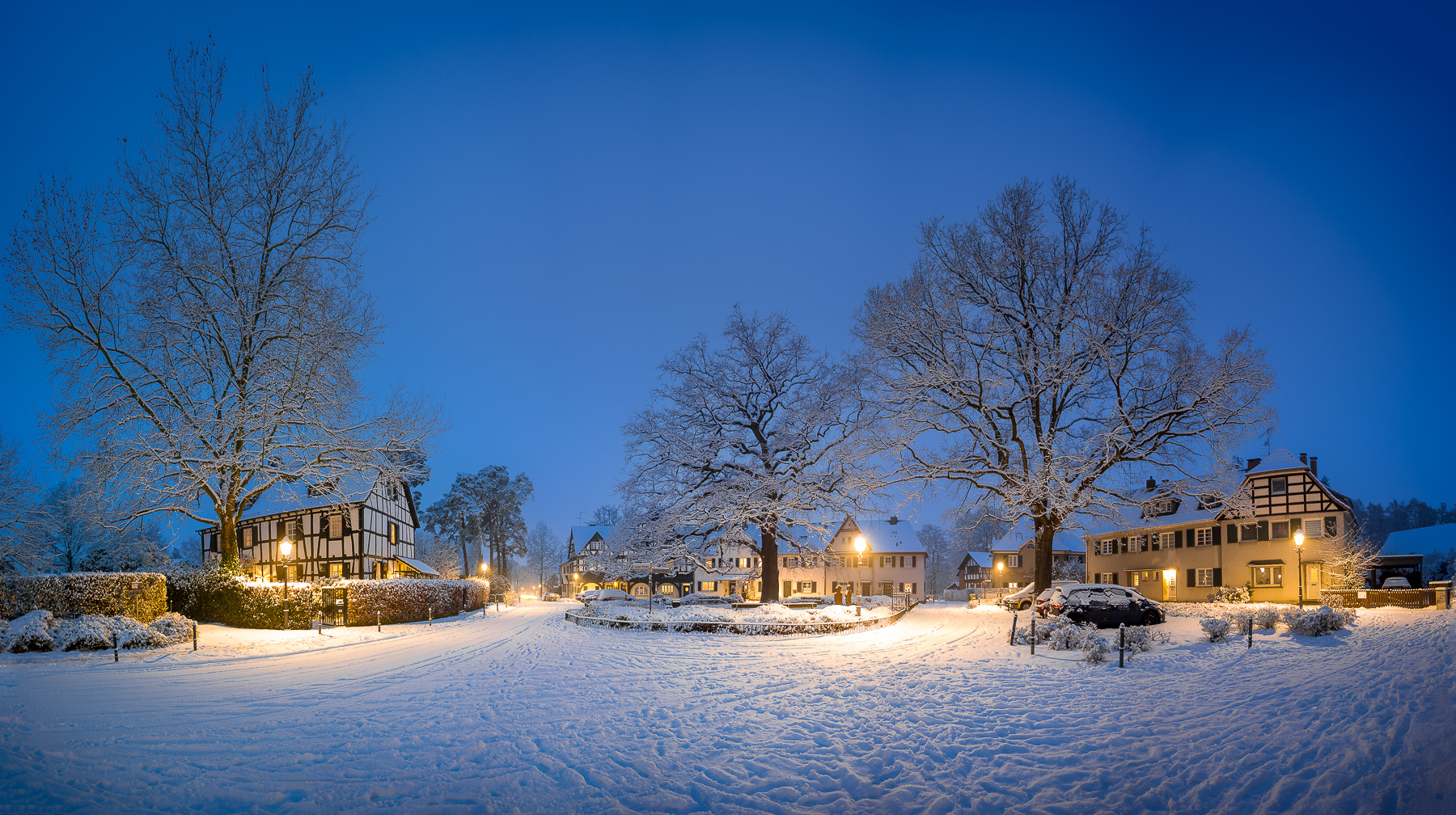
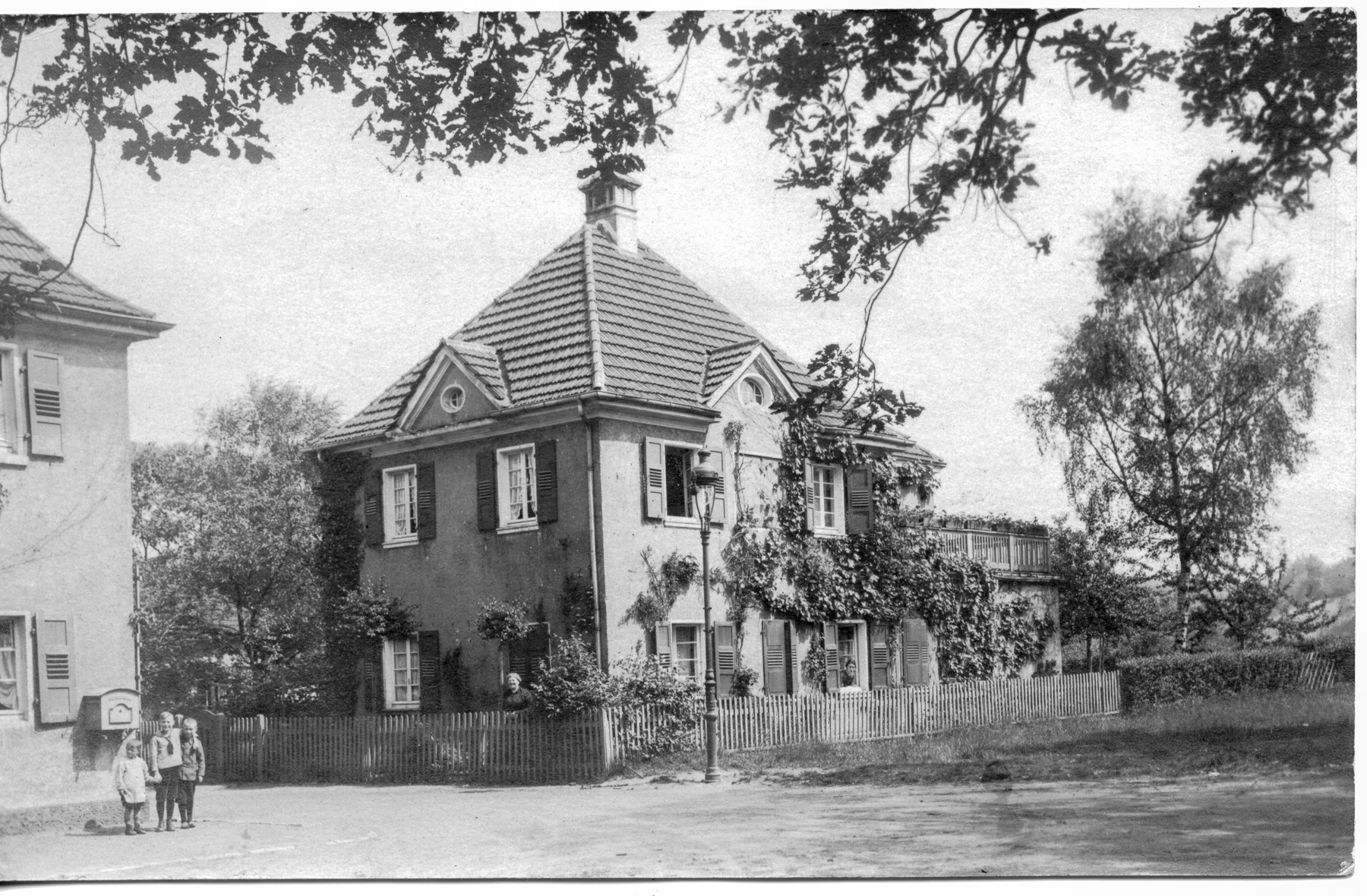
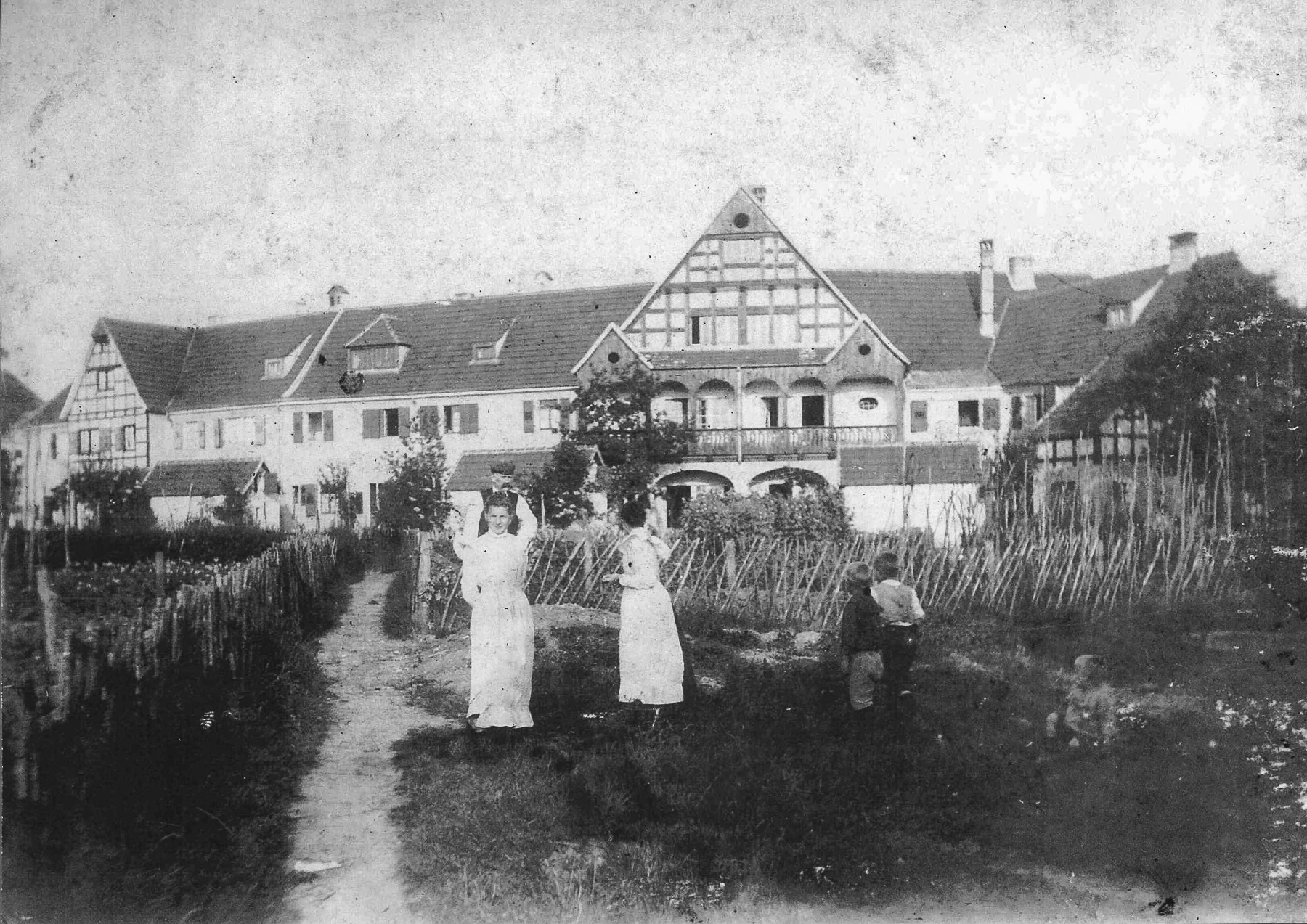
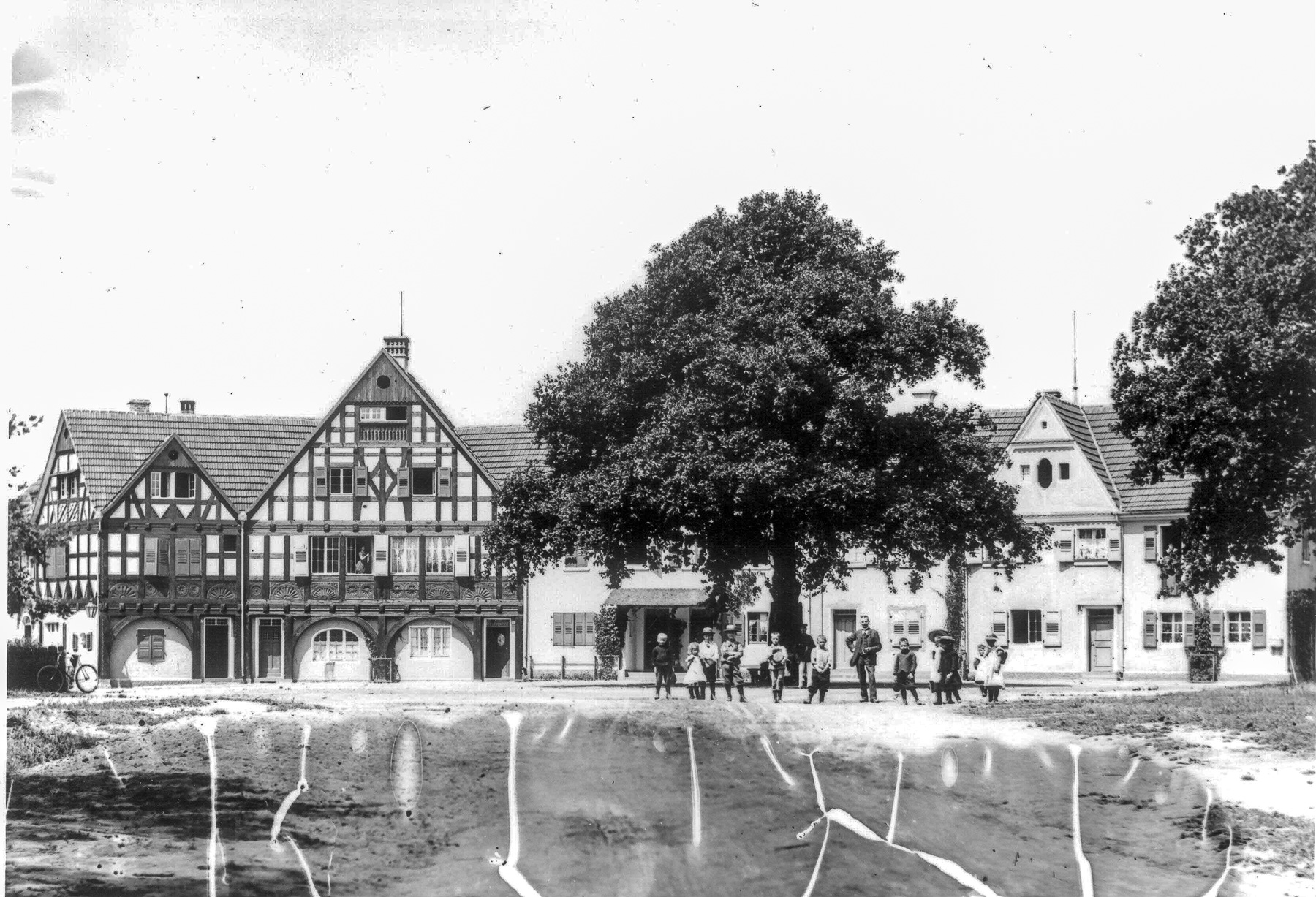
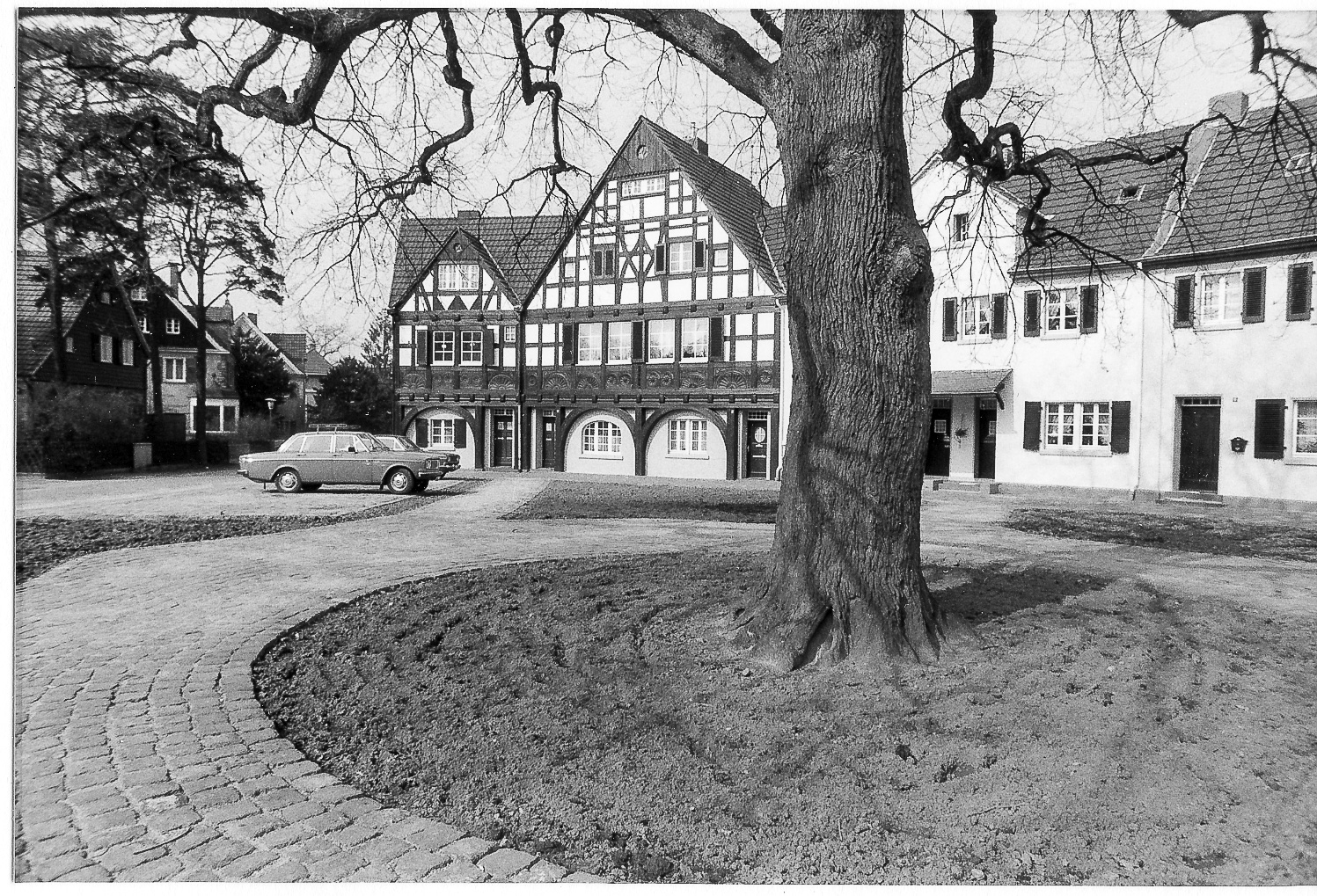
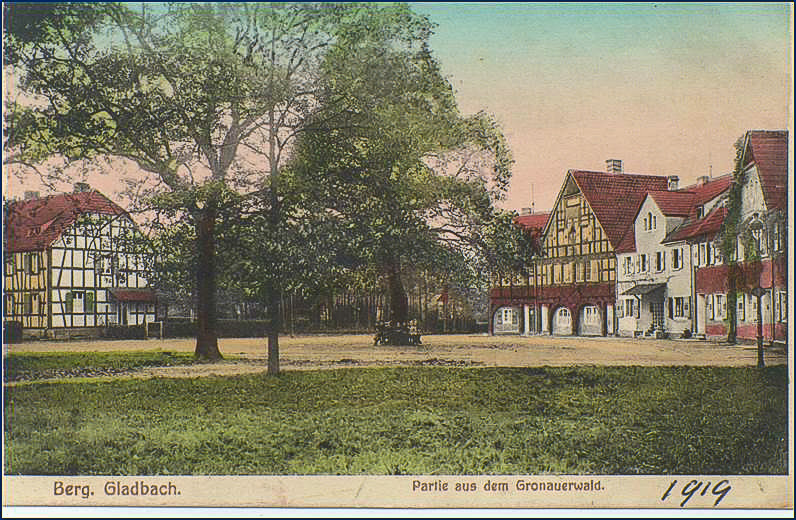
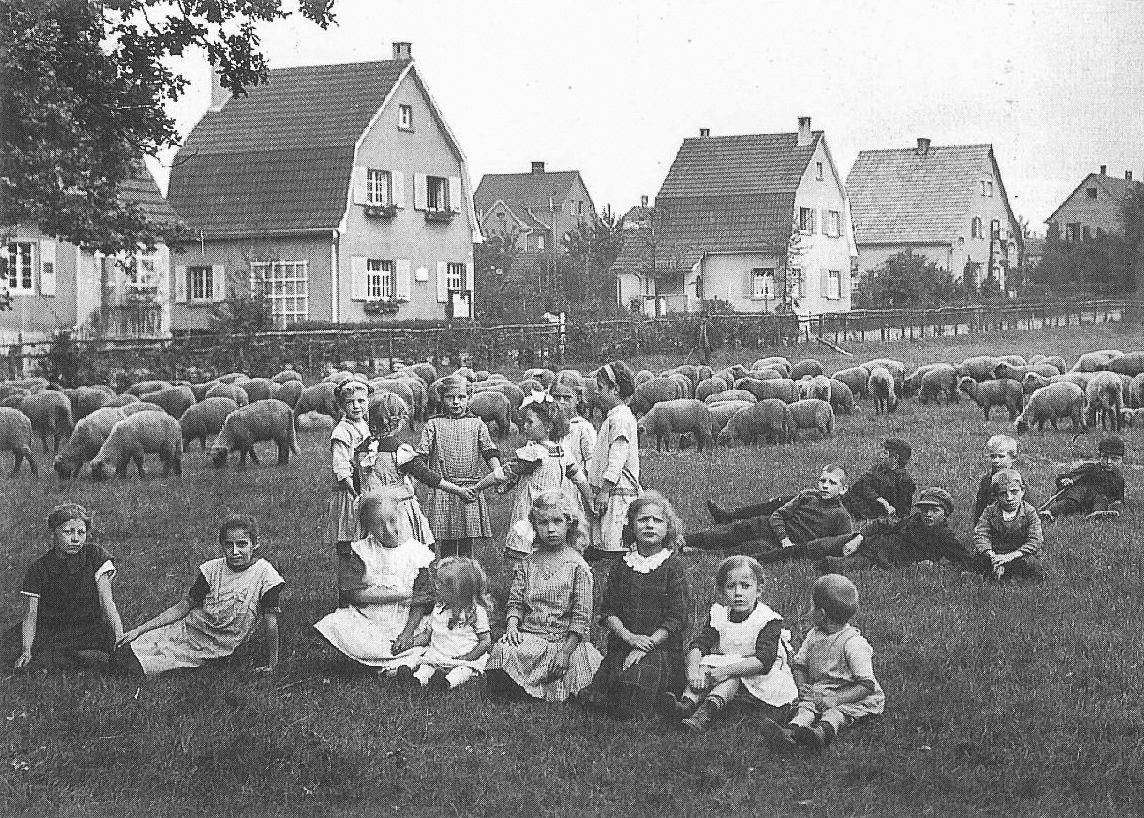
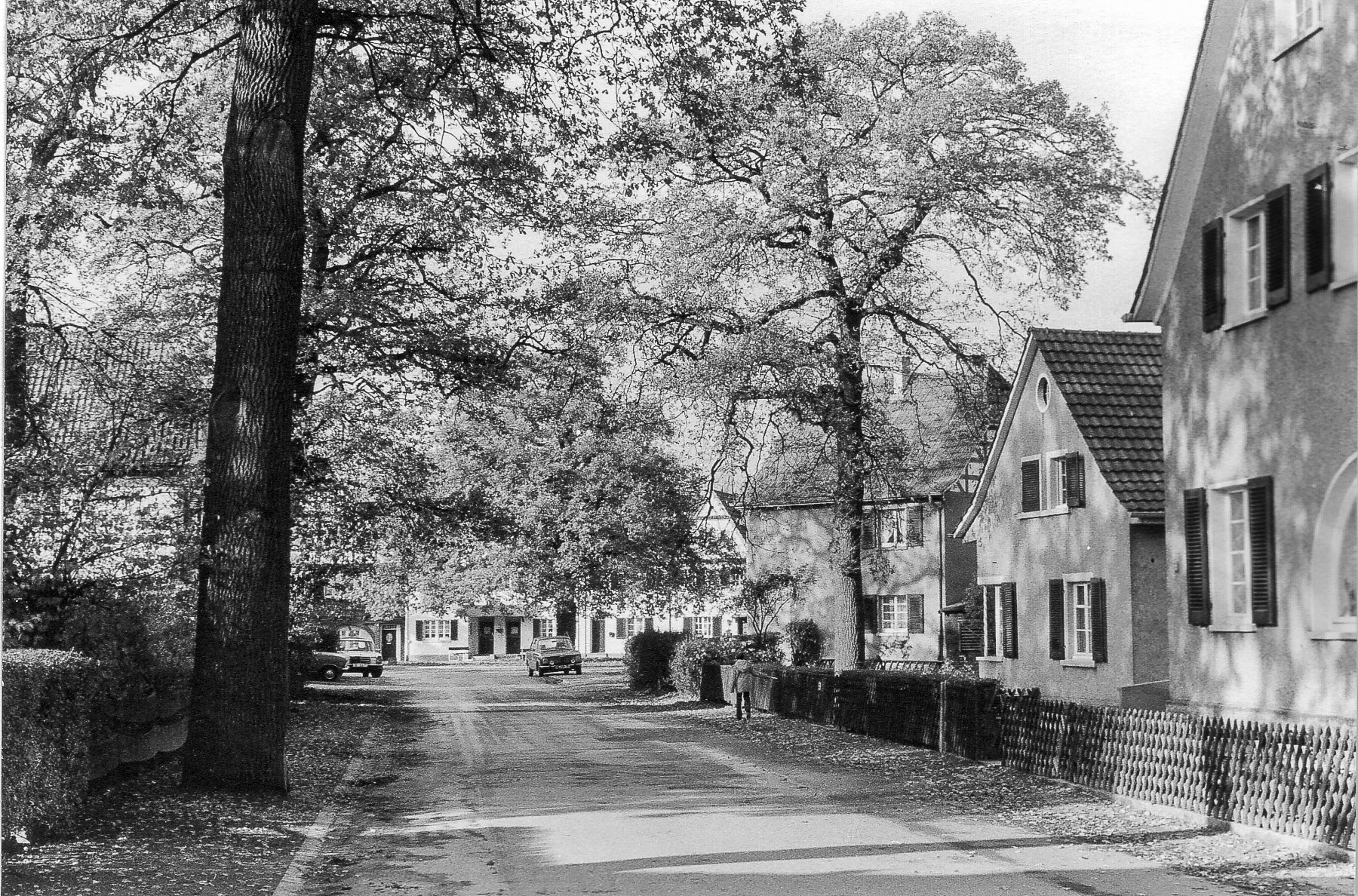
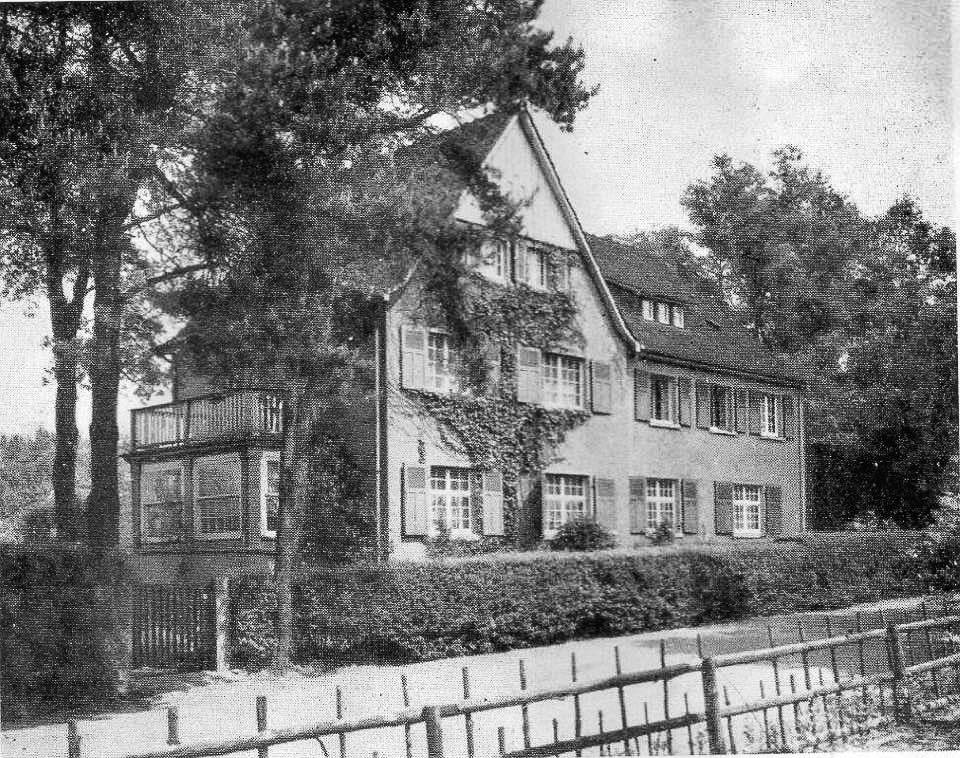
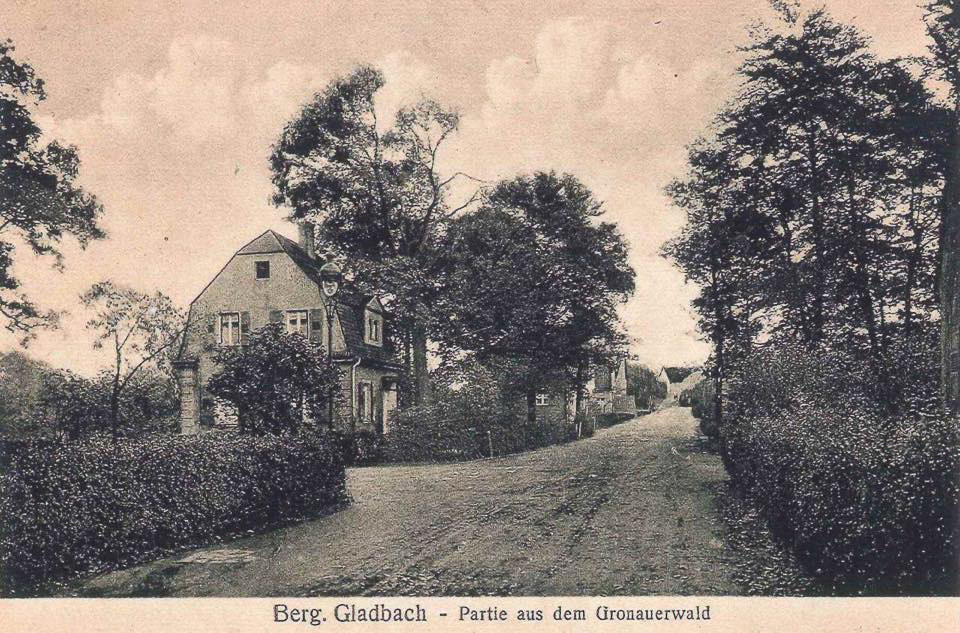
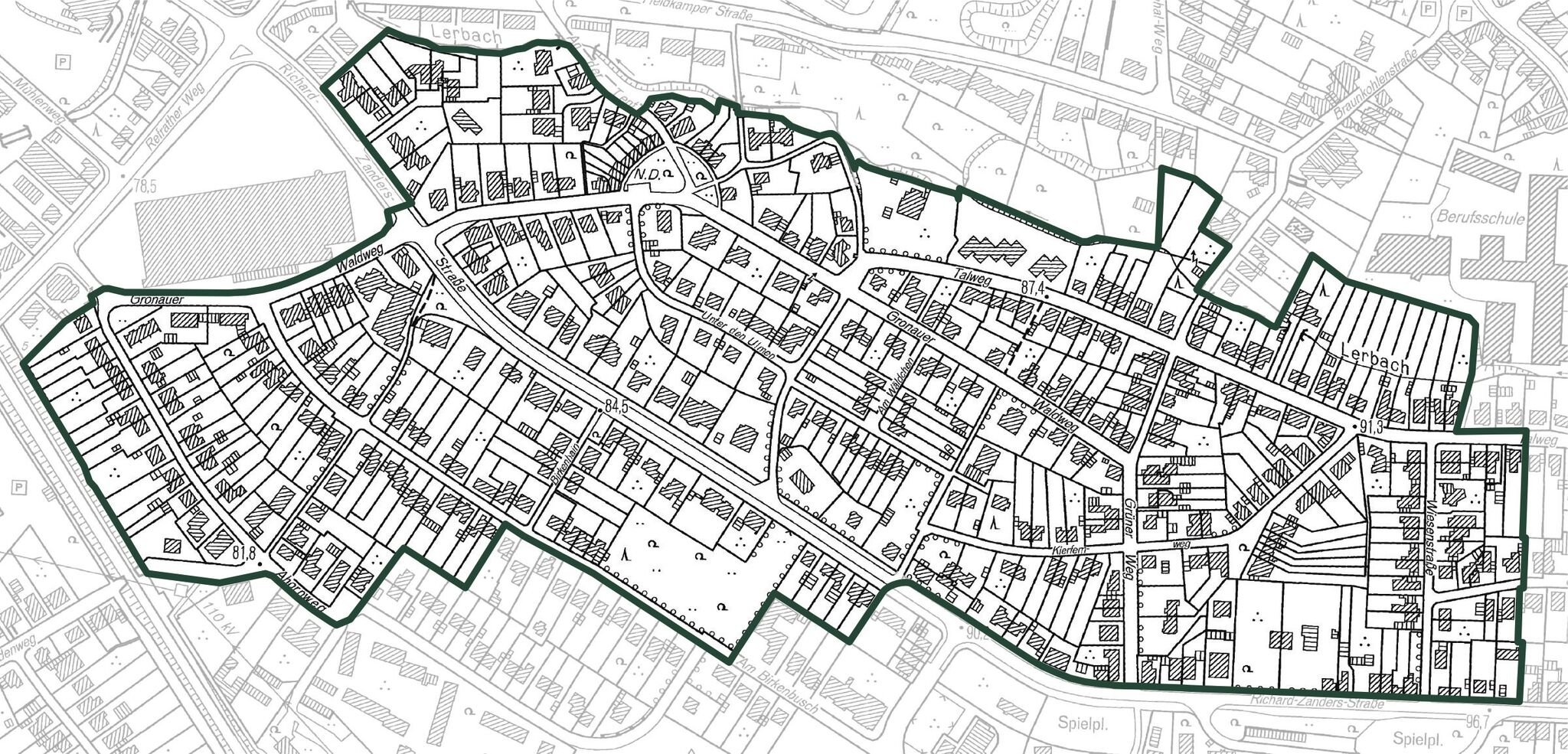
Large trees, meadows, and the Lerbach stream were integrated into this new suburb. A central
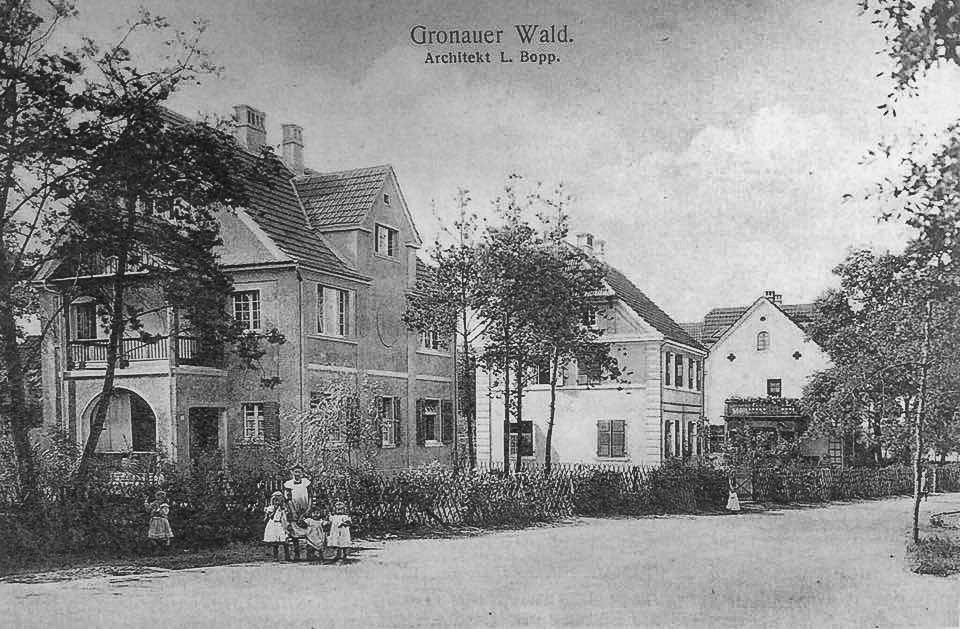
square and loosely grouped single-family homes on large plots were intended to create a village
that appeared to have grown organically. The founders wanted to provide their employees with
affordable and architecturally appealing housing. With the support of capable individuals such as
the Royal Horticultural Director of Berlin, Albert Brodersen, the Royal Horticultural Director Fritz
Enke, the chairman of the German Garden City Society, Bernhard Kampffmeyer, as well as the
architects Ludwig Bopp, Jakobus Goettel, Theodor Merrill, Clemens Klotz, and Oskar Lindemann,
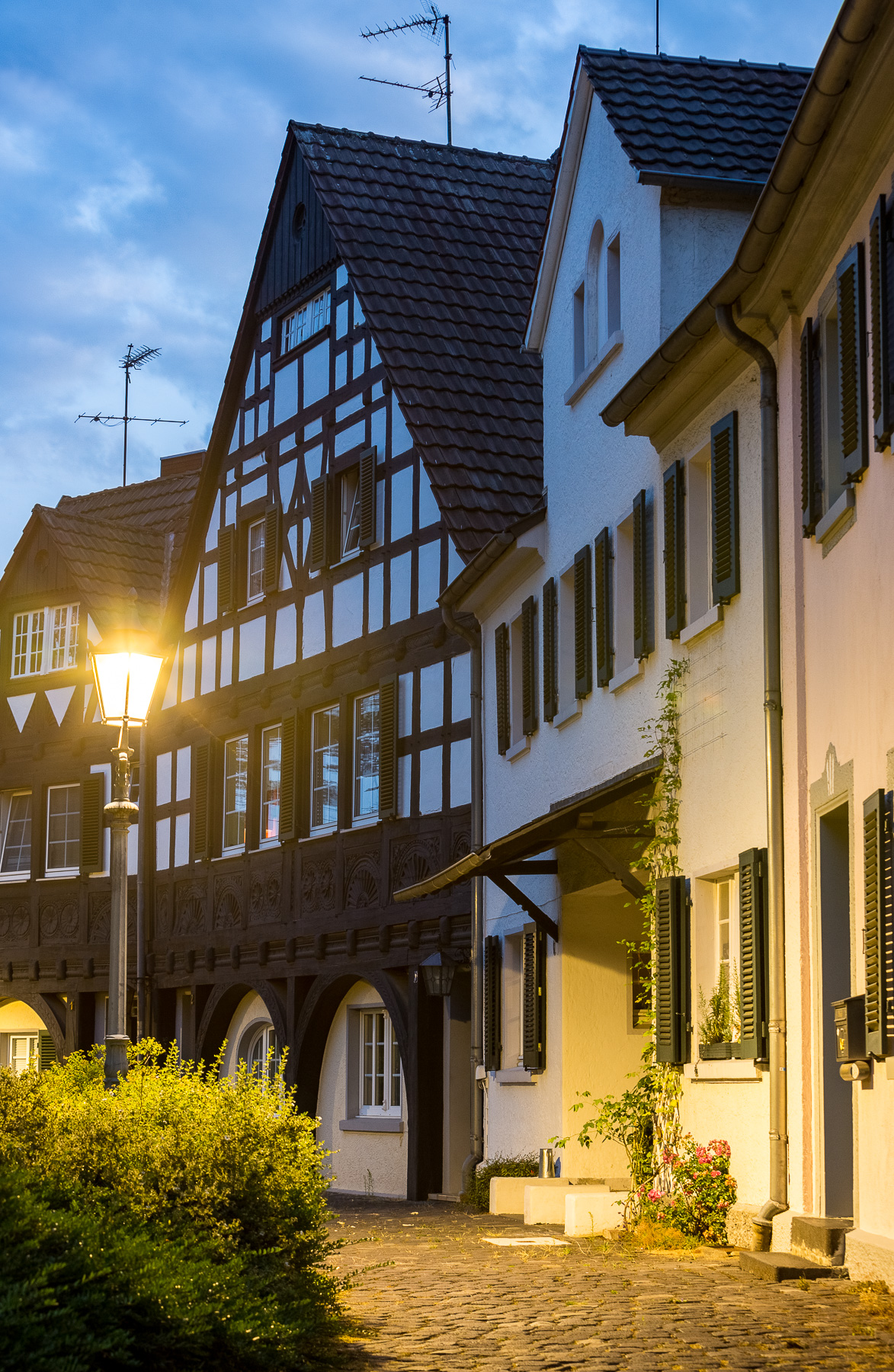
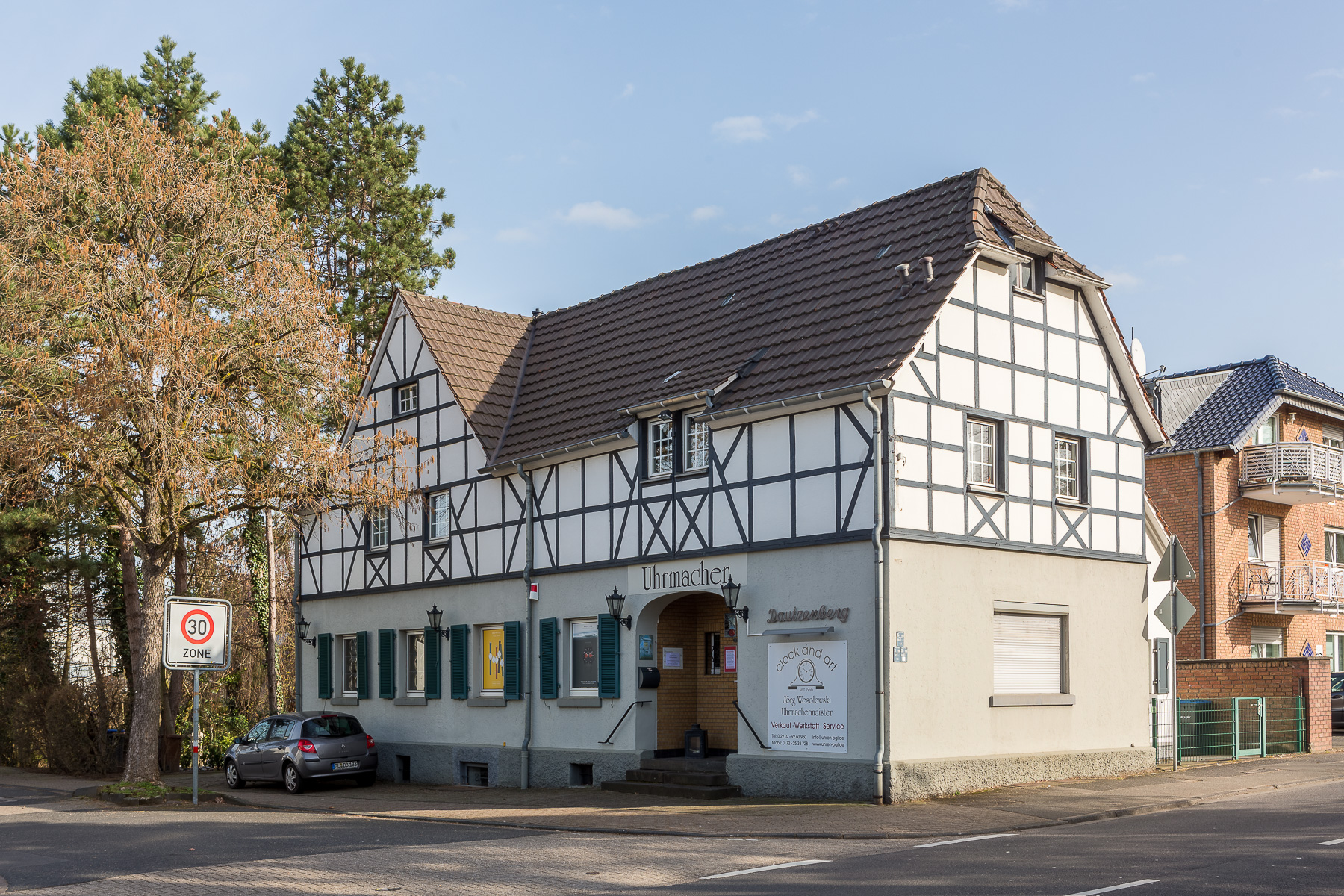
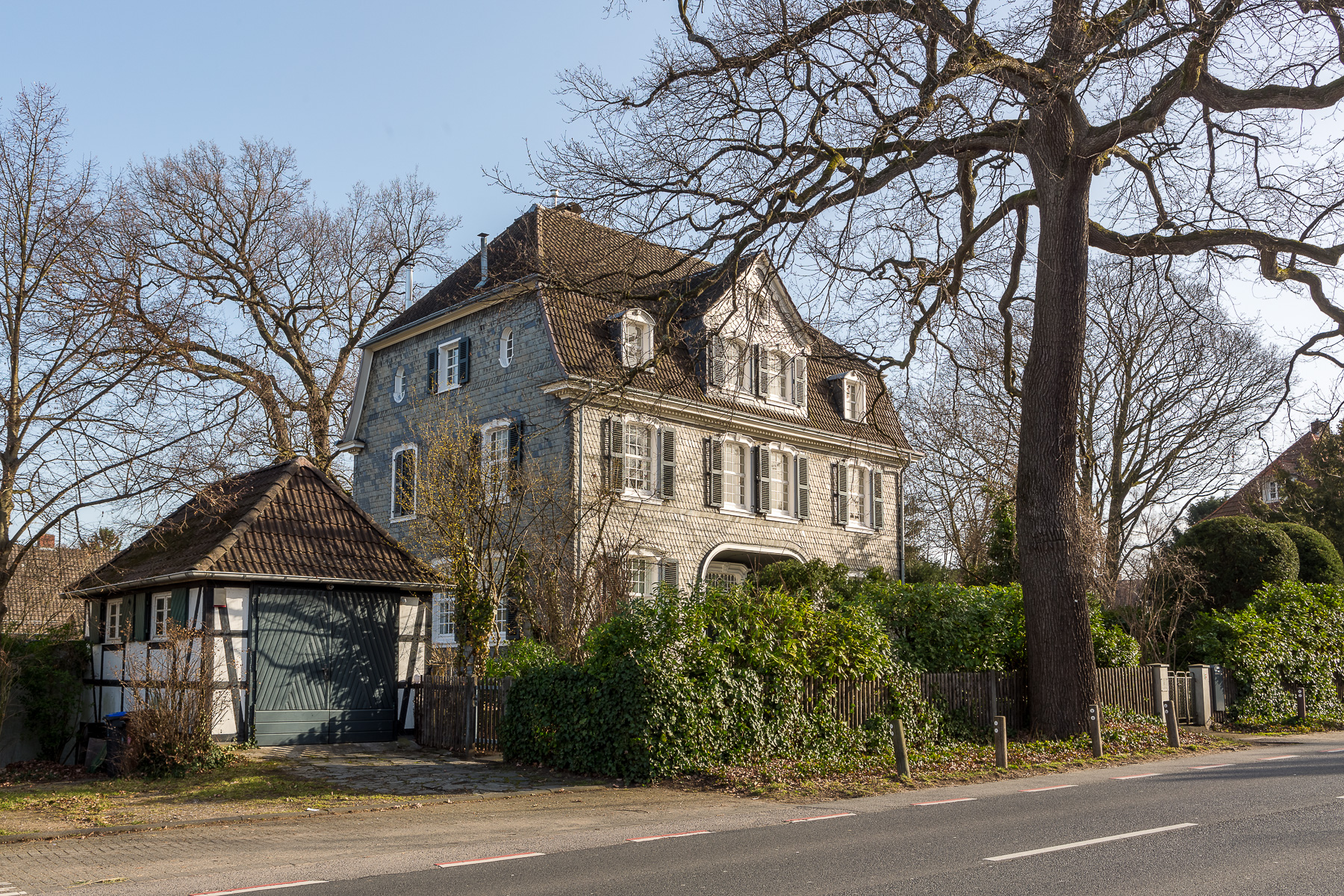
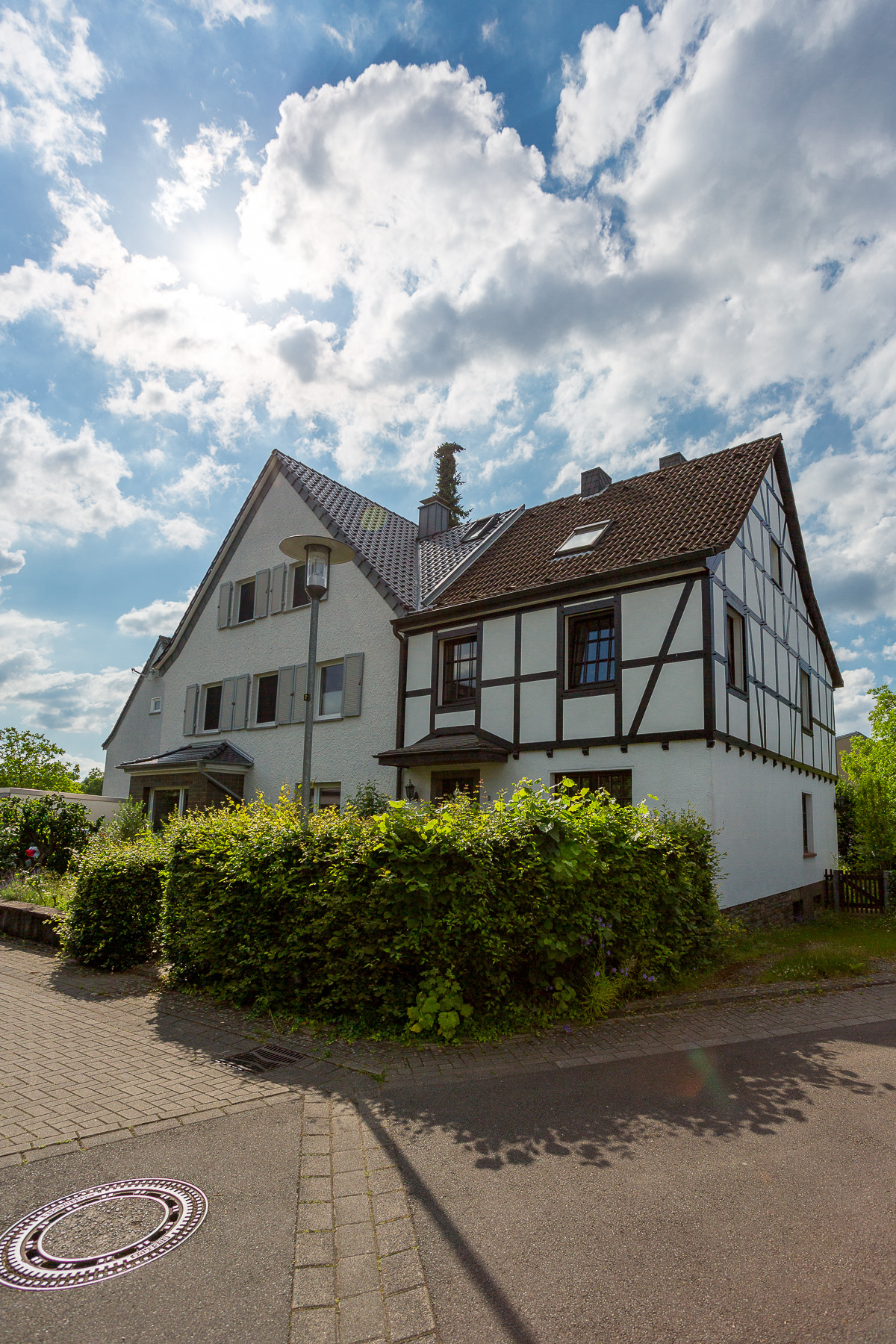
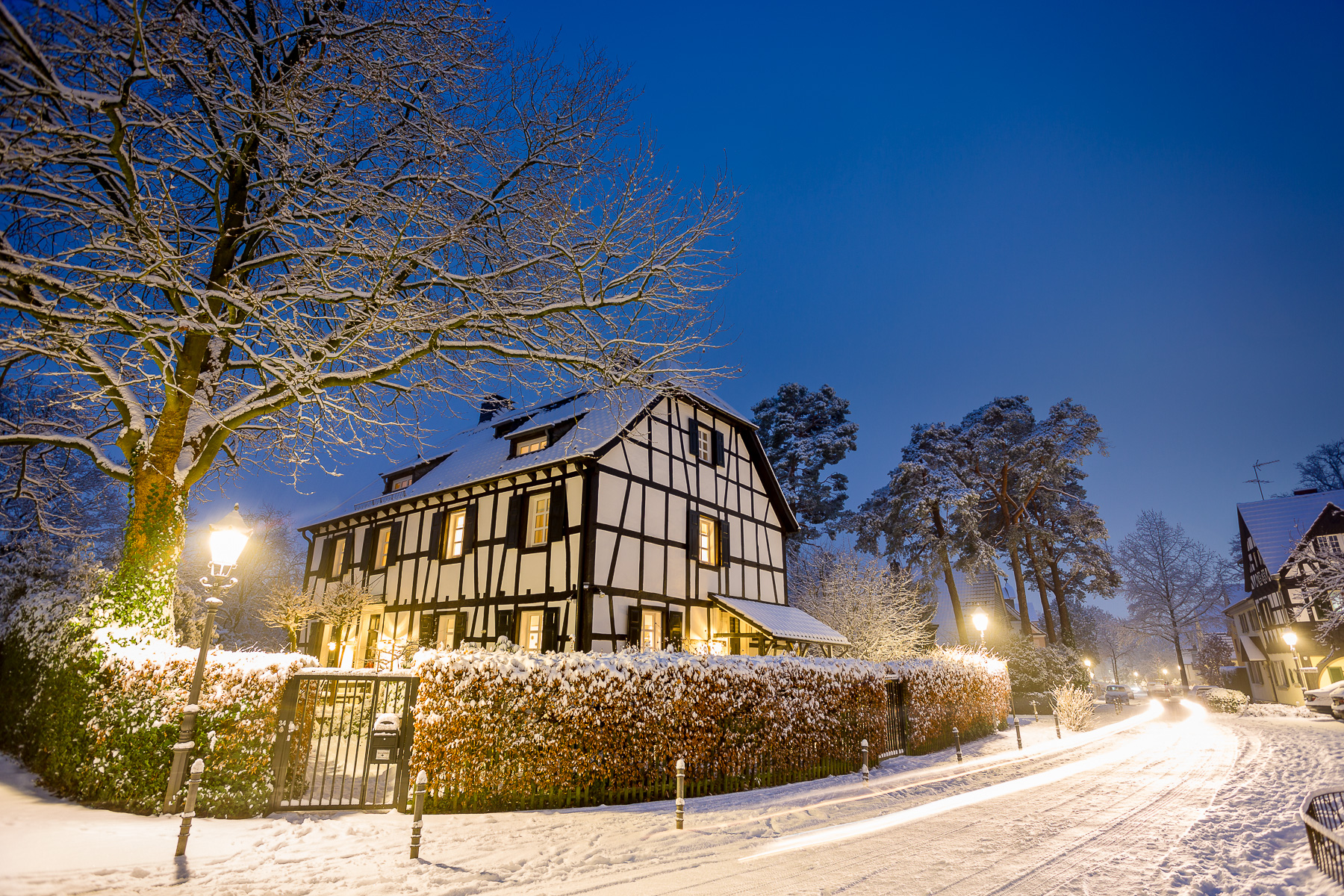
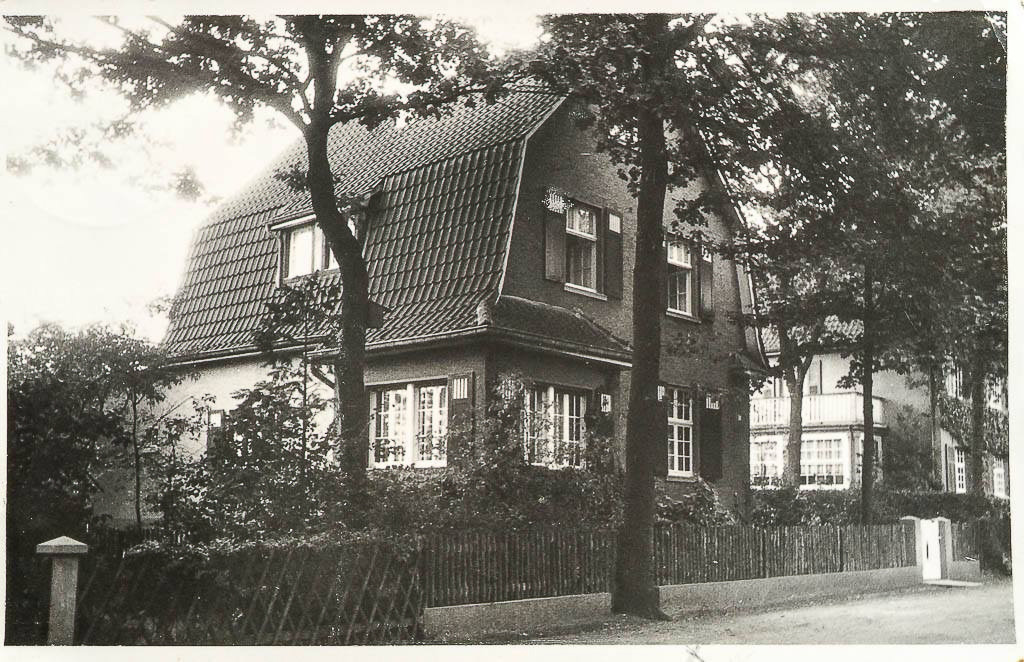
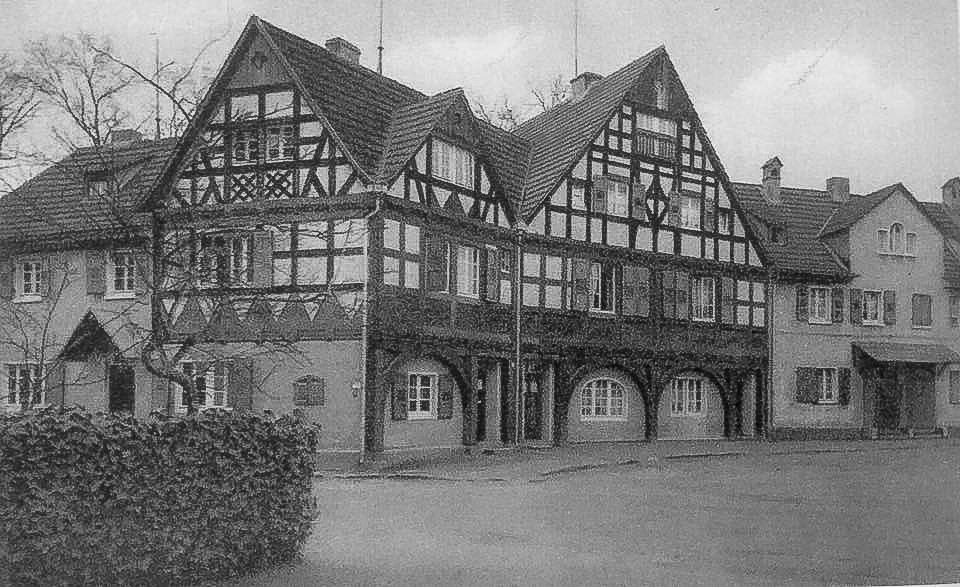
a settlement was built in several phases. This settlement employed simple decorative elements,
avoided excessive uniformity, and equipped all houses with both kitchen and ornamental gardens.
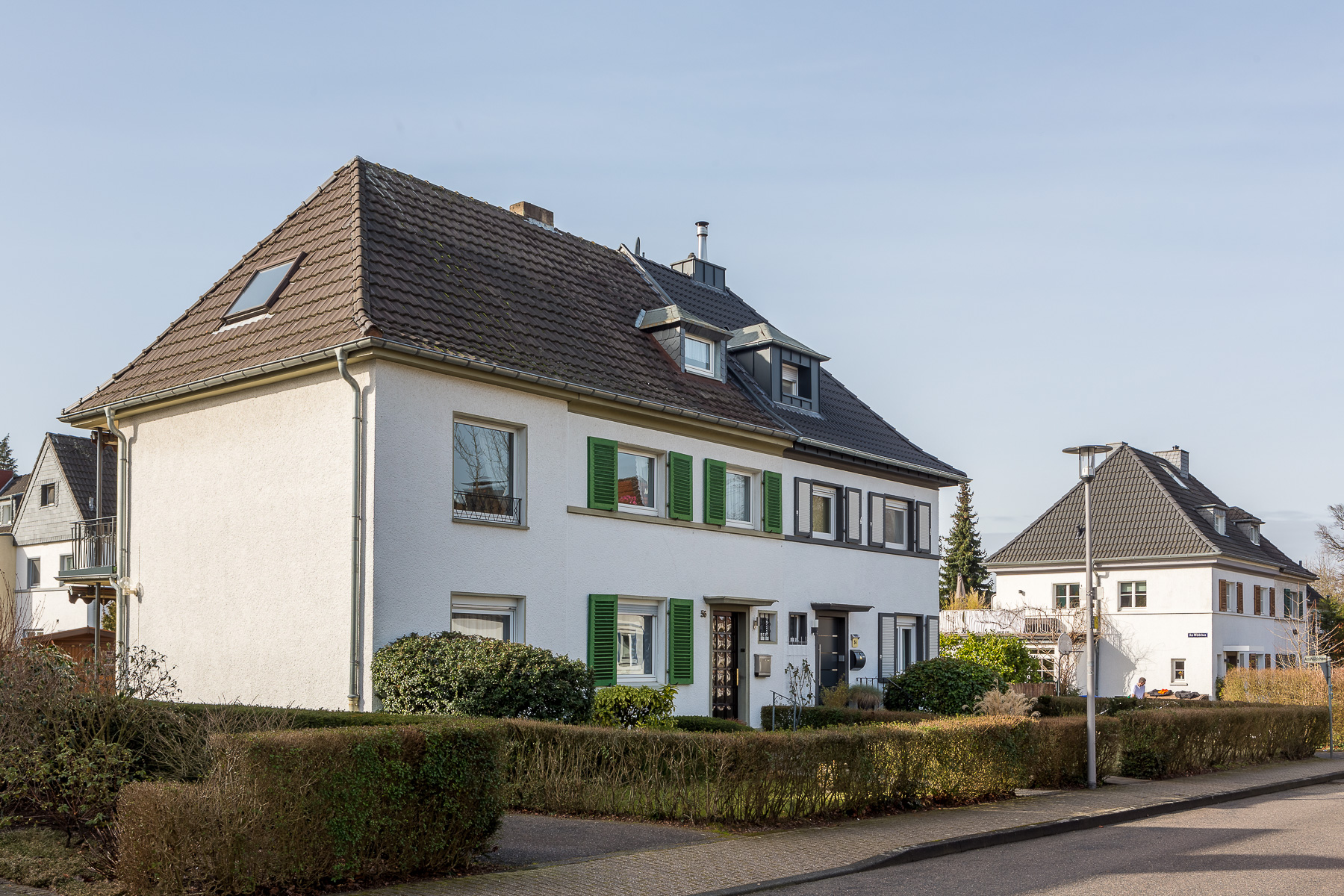
Between 1898 and 1980, a total of 690 houses were built within the settlement in several
construction phases, including 480 single-family homes and 210 multi-family dwellings.
Sources:
Official website of the „Freundeskreis“: https://fggw.de
Website of municipal association LVR: https://www.kuladig.de/Objektansicht/KLD-352131
European garden city network: https://european-garden-city.net/index.php/partnerstaedte/
gartensiedlung-gronauer-wald
Wikipedia: https://de.wikipedia.org/wiki/Gartensiedlung_Gronauerwald
Recent developments
2008
The „Freundeskreis der Gartensiedlung Gronauer Wald“ were founded in December 2008. Their
goal: to raise public awareness of the history and development of the Gronauer Wald settlement.
Since then, the Friends have initiated extensive press and public relations work. Numerous press
reports and articles in specialist publications have been published in recent years. Furthermore,
the „Freundeskreis“ regularly offer guided tours of the residential area.
The initiative aims to preserve and sustainably develop the Gronauer Wald garden settlement. This
includes the following points:
• Developing regulations and bylaws for the preservation and design of the settlement in
cooperation with the city and the residents.
• To maintain and enhance the residential value of the housing estate, for example, through traffic
calming measures and beautification projects.
• To advise residents on matters concerning the estate, such as construction, green spaces, and
financing.
• To foster a sense of community, for example, through events and activities.
• To represent the estate both internally and externally.
• To research and document the history of the estate.
Over the past few years, the „Freundeskreis“ Association has already achieved many goals and
organized numerous exciting events. These include:
• 2009 Resolution to prepare a development plan by the Bergisch Gladbach City Council
• 2011 Designation of a historic preservation area for parts of the settlement
• 2011 Expert report by the Werling architectural firm, which, among other things, enabled a
comprehensive inventory of listed buildings. The resulting design guide offers extensive
assistance to prospective homeowners and property owners.
• 2014 Reintroduction of a tree protection ordinance – the only district in Bergisch Gladbach to do
so
• 2014 Preservation ordinance for the entire residential area
• 2014 Tree planting campaign featuring trees typical of the area in the private gardens of many
residents
• 2015 Review of numerous buildings for their historical significance by the Rhineland Regional
Association (LVR)
• Since 2015 Distribution of flyers/newsletters about news in the residential area
• 2015 Large summer festival at the central square under the oak tree in the historic district with
approximately 150 guests, open-air concert, coffee and cake, beer stands, and food stalls
• Since 2015 Involvement of the Bergisch Gladbach City Design Advisory Board for future
construction projects
• 2016 Erection of a sign indicating the historic district through independent initiative
• Since 2016 Annual participation in the German Foundation for Monument Protection's Open
Monument Day with several guided tours
• 2017 Large summer festival at the central square under the oak tree in the historic district with
approximately 300 guests, open-air concert with Local musicians from the neighborhood, coffee
and cake, beer stands, food stalls, a speech by the mayor – the entire square was closed to
traffic.
• 2019: Design of 12 signs for the circular walking tour through the settlement, each with an
informational station; official opening by the mayor, representatives of the Friends Association,
and the press on August 17, 2020.
• 2020: Another project, in which a total of 69 trees were planted in the settlement.
• 2021: The Friends Association was one of four recipients of the "Heimatpreis" (Homeland Prize)
of the city of Bergisch Gladbach.
• 2022: Design and installation of „whistling boxes“ at the square by the oak tree. Large summer
festival with approximately 600–800 guests, a speech by the mayor, and plenty of music.
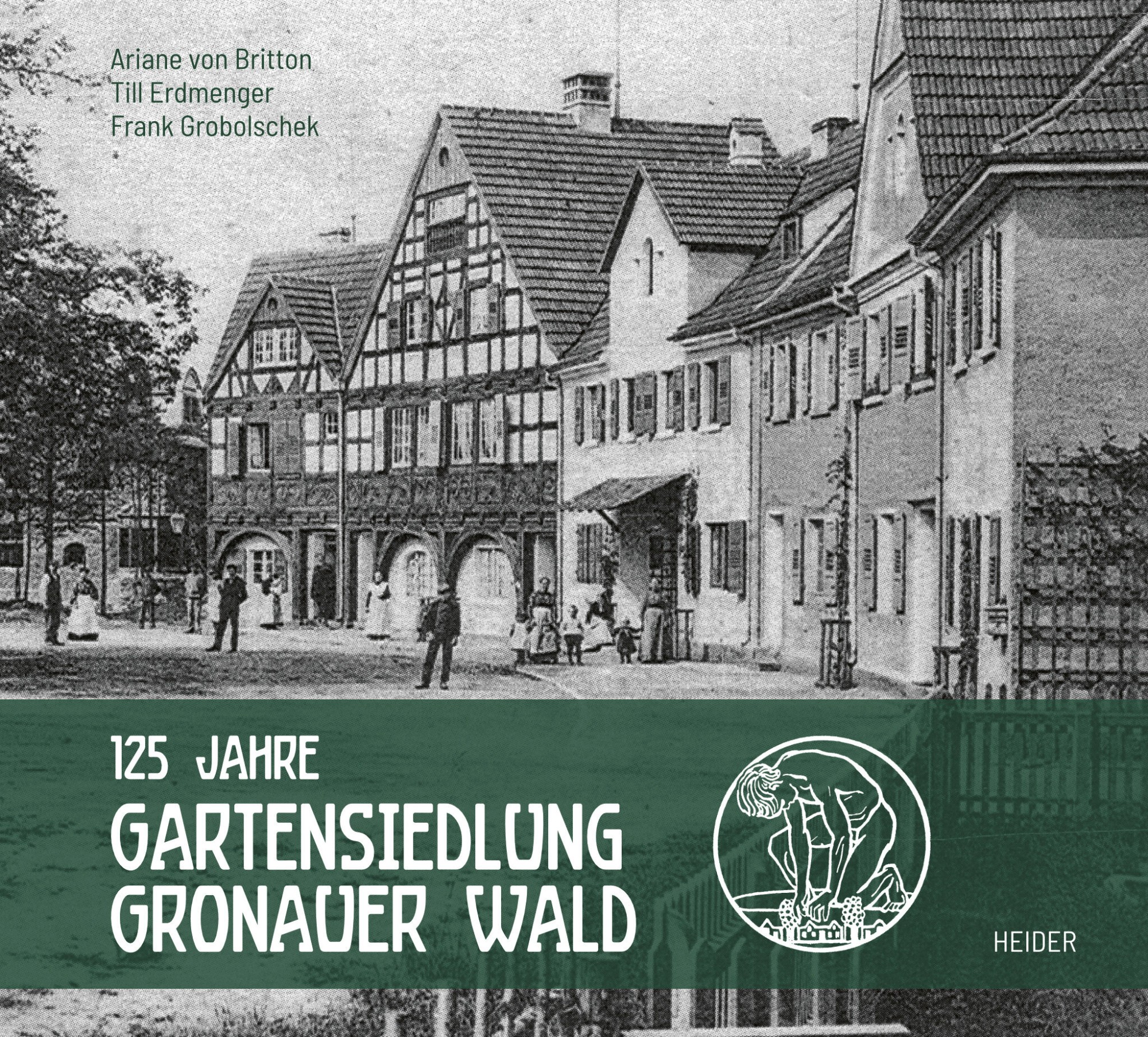
Publication of our book "125 Years of the Gronauer Wald Garden Settlement" by Heider Verlag
– 240 pages containing many historical and current impressions of the settlement, detailed
information, and anecdotes from earlier days.
Publications: „125 Jahre Gartensiedlung Gronauer Wald“; Ariane von Britton, Till Erdmenger,
Frank Grobolschek; Joh. Heider Verlag GmbH, Bergisch Gladbach
ISBN: 978-3-947779-37-6
240 Seiten, Preis: €24,80